
Search By Square Foot
• Up to 1000 Sq Ft
• 1001 - 1500 Sq Ft
• 1501 - 2000 Sq Ft
• 2001 - 2500 Sq Ft
• 2501 - 3000 Sq Ft
• 3001 - 3500 Sq Ft
• 3501 - 4000 Sq Ft
• 4001 - 4500 Sq Ft
• 4501 - 5000 Sq Ft
• 5001 Sq Ft And Up
Search By Square Foot
• Up to 1000 Sq Ft
• 1001 - 1500 Sq Ft
• 1501 - 2000 Sq Ft
• 2001 - 2500 Sq Ft
• 2501 - 3000 Sq Ft
• 3001 - 3500 Sq Ft
• 3501 - 4000 Sq Ft
• 4001 - 4500 Sq Ft
• 4501 - 5000 Sq Ft
• 5001 Sq Ft And Up
by Rachel Lyon, Editorial Director for The House Designers
Key Takeaways for Homeowners
The farmhouse has been a mainstay of American residential architecture since colonial times, and it continues to be a top style for new construction in the 21st century. This staying power is due to a variety of factors; many are drawn to the farmhouse’s simple, timeless design elements and classic regional variations while others appreciate the casual, comfortable interiors they have to offer, which align with today’s preference for open-concept living. No matter what type of farmhouse speaks to you, you’ll find plenty of blueprints that meet your criteria. It’s never been easier to build a home that meets all your wants and needs!
Think your next home could be a farmhouse? Here’s what you should know about the style, so you can choose the right house plan and finish it to perfection.
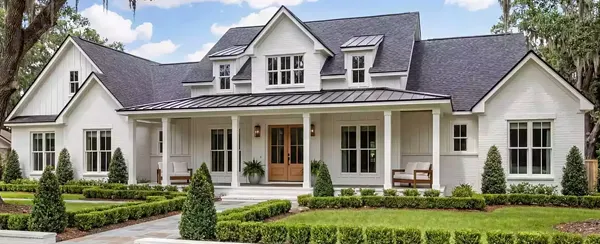
As a design category, farmhouses are pretty diverse. Every area put their own spin on the style—that’s why a historical farmhouse in the Great Plains will look different from examples of similar age in the hills of Appalachia or the orchards of New England. Different landscapes, climates, crops, and farming cultures developed the farmhouse into something that suited the practical needs of landowners and reflected their aesthetic inclinations, too. If you want to build a traditional farmhouse, do some research and figure out which type and/or features you like, so you know what to look for when you start exploring the options.
The farmhouse style has expanded even more in recent times. With the rise of transitional architecture—which streamlines and updates traditional homes to give them a more contemporary feel—the modern farmhouse quickly became the top genre for new home construction. Today’s families love the totally open floor plans and larger windows these homes have to offer, and many choose to finish them with modern-leaning products that underscore the updated vibe. Modern farmhouses know no region—they can be found in neighborhoods and on acreage across the entire country—so it’s no wonder they’ve boomed in popularity.
Not sure if you should go with a traditional or modern farmhouse? Don’t worry—there are also plenty of intermediate designs that offer the best of both worlds!
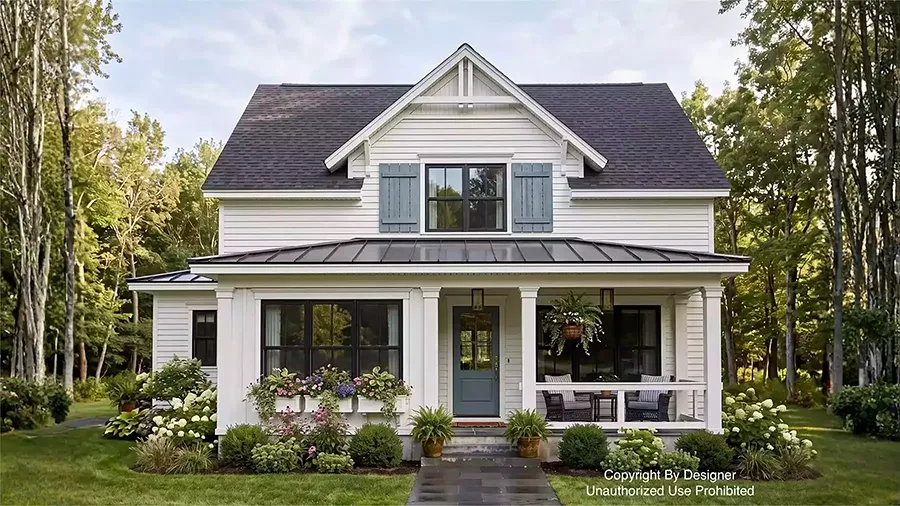
If you’re drawn to classic country curb appeal, you can’t go wrong with an understated design scheme. White siding and divided lite windows are the go-to options, and you can create a pop of interest with a painted or wood-tone door. Some designs also have decorative elements like gable pediments, brackets, and shutters that you can play up or down with your color choice. Again, it’s a great idea to find some examples you like to base your own exterior scheme on!
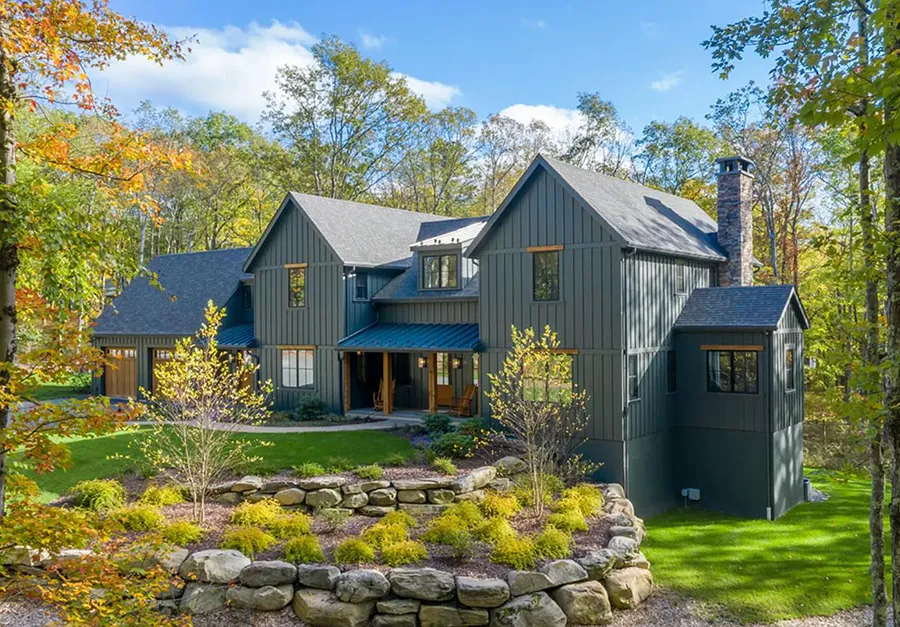
When it comes to modern farmhouses, many of the same exterior products work just as well, but you can also go bolder. Black siding is increasingly popular, as are windows with black frames and fewer lites. Just remember that these homes are meant to have clean lines and simpler style compared to their traditional counterparts, so don’t overcomplicate things. Less is more!
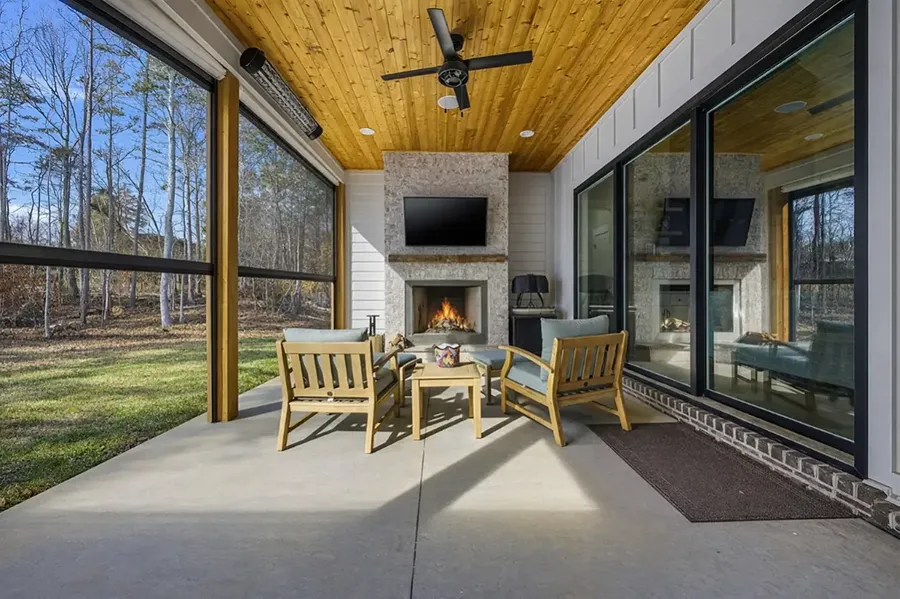
One area where you’ll see the biggest stylistic difference is in the porch. Farmhouses are known for their porches whether they span the front, extend the back, or wrap around the sides. Older styles typically have porch railing with vertical balusters placed between the top and bottom rails, with posts anchoring the system to the porch every six to eight feet. Modern farmhouses often eliminate railing entirely, instead allowing columns to support the porch and define the space. This works only when the porch floor is at or close to grade, though. For safety, raised porches require some type of railing, and many owners of modern farmhouses opt for a sleek horizontal style that aligns with contemporary aesthetics to ensure the final look is neat and balanced.
When it comes to interior design, most farmhouse homeowners favor simple and understated style whether the house leans traditional or modern. Light paint, flooring, cabinets, and countertops are common across the board, but you’ll also see pops of interest incorporated throughout. Wood beams and stone or brick fireplaces add natural rustic appeal while fixtures set the tone with different styles and finishes, and don’t be surprised to see some statement wallpaper in the mix!
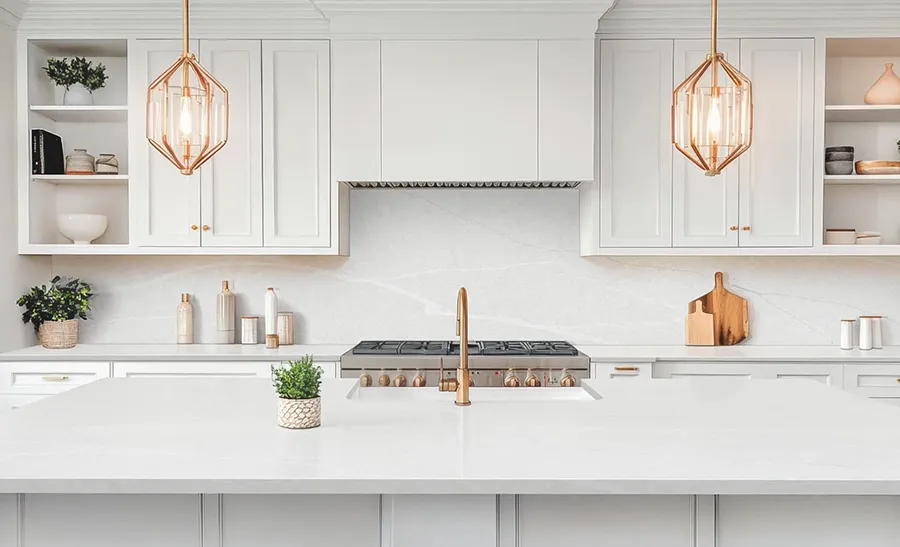
Not sure what sorts of products will support your scheme? Start by considering how things are constructed and what sort of color/contrast they can introduce to the space. Traditional farmhouses typically favor raised panel cabinetry, for example, while recessed or Shaker-style cabinets are preferred for modern farmhouses due to their simpler structure. Traditional faucets are also often more complex than streamlined transitional ones. And you can’t go wrong with a classic stainless steel, nickel, or bronze finish for plumbing and lighting fixtures, but matte black or gold would make a better choice if you want to go bold. Check out our Product Ideas section for more tips and inspiration! It’s also a good idea to make a design board with your choices to see how things work together.
If you’re still looking for your dream farmhouse, we’d love to help you find it! Our collection has thousands of amazing farmhouse plans that run the gamut, so we’re sure to have designs that suit your practical and aesthetic needs. Feel free to reach out to our home plan advisors if you need any assistance—they would be happy to discuss the options and perform a custom search based on your must-have list, and they can also help facilitate modifications. Just let us know what you have in mind!


