
Search By Square Foot
• Up to 1000 Sq Ft
• 1001 - 1500 Sq Ft
• 1501 - 2000 Sq Ft
• 2001 - 2500 Sq Ft
• 2501 - 3000 Sq Ft
• 3001 - 3500 Sq Ft
• 3501 - 4000 Sq Ft
• 4001 - 4500 Sq Ft
• 4501 - 5000 Sq Ft
• 5001 Sq Ft And Up
Search By Square Foot
• Up to 1000 Sq Ft
• 1001 - 1500 Sq Ft
• 1501 - 2000 Sq Ft
• 2001 - 2500 Sq Ft
• 2501 - 3000 Sq Ft
• 3001 - 3500 Sq Ft
• 3501 - 4000 Sq Ft
• 4001 - 4500 Sq Ft
• 4501 - 5000 Sq Ft
• 5001 Sq Ft And Up
Building a home means having a lot of product decisions to make—you should definitely get acquainted with all the major categories so you can make an informed choice! It's a great idea to do your research, ask for recommendations, and purchase quality materials that are trusted by the experts, like our architects' preferred choice for windows, Pella®. So, how well do you know your windows? Take this quick quiz and see how your understanding of window types and design options stacks up. Check your answers below and you may just learn something!
1) Which operable window type is best for hard-to-reach areas?
A. Casement
B. Double Hung
2) Which window is the most energy efficient?
A. Single Hung
B. Picture
3) Which window provides the best natural ventilation?
A. Sliding
B. Double Hung
4) Which window is the most common for basement applications?
A. Awning
B. Hopper
5) Are bay and bow windows the same thing?
A. Yes
B. No
6) Which window material is the most affordable?
A. Vinyl
B. Fiberglass
7) Which window material is the most durable?
A. Vinyl
B. Fiberglass
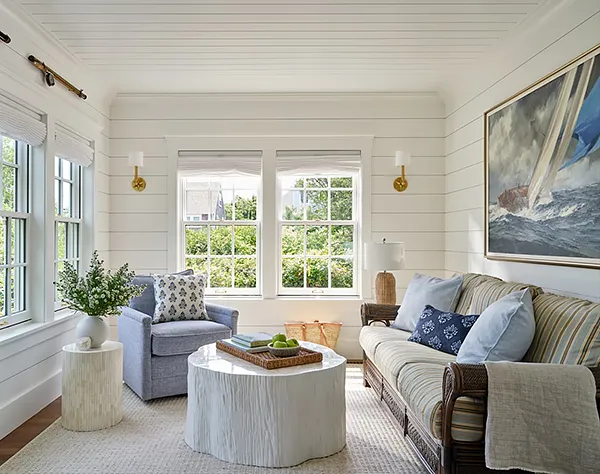
8) Which window material is the most customizable?
A. Fiberglass
B. Wood
9) Windows with which type of grilles/lites are easiest to clean?
A. Grilles between glass
B. Simulated divided lites
10) Can picture windows be the only windows in a bedroom?
A. Yes
B. No
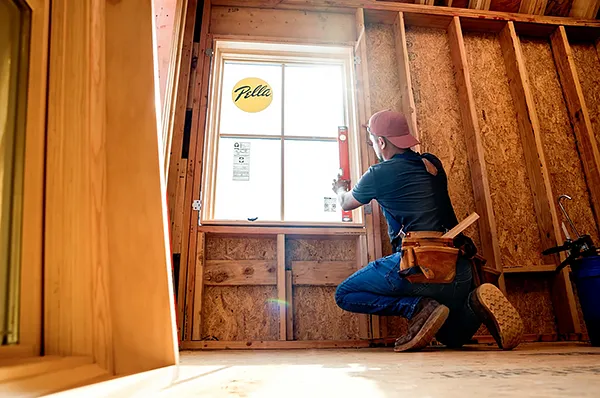
1) A. Casement. You need some leverage to move the sashes of a double-hung window up/down, but a casement window easily swings opens with a hand crank. Imagine the difference when trying to open a window on the other side of a countertop!
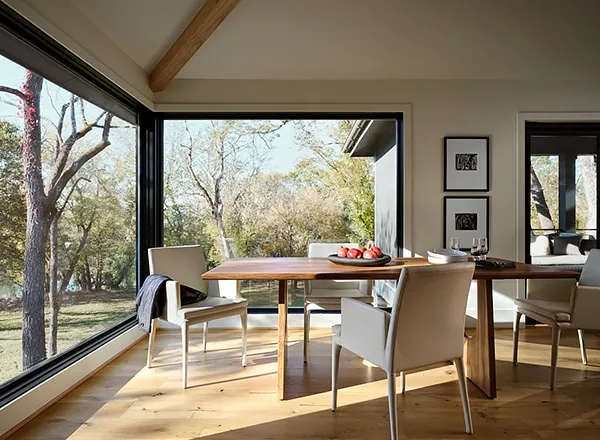
2) B. Picture. Also known as fixed or direct set windows, picture windows maximize efficiency because the glass is glazed directly into the frame. This means the window does not open and there are no seals that could leak.
3) B. Double Hung. While opening any window will help catch a breeze, double-hung windows are optimized for air exchange. Move the top and bottom sashes into the middle and hot air will escape out the top while cooler air is pulled in through the bottom.
4) A. Awning. These windows are wider than they are tall and swing out from the hinged top edge, so they work well with the limited wall space of a basement and protect the opening from rain.
5) B. No. The classic bay window has three angled sides that project out from the wall. While similar in feel, a bow window design follows a gentle curve instead.
6) A. Vinyl. Vinyl is a budget-friendly window choice that costs less than other options up front and requires minimal maintenance going forward. They’re also very durable and energy efficient.
7) B. Fiberglass. The strongest windows available are made from fiberglass. This material is resistant to thermal expansion and compression and can handle extreme temperatures and temperature swings. It won’t corrode and is also resistant to dents, chipping, fading, etc.
8) B. Wood. Beyond the limitless paint and stain color possibilities for the frames, wood windows give you tons of unique shape options. You can even have the experts craft a one-of-a-kind window for your home, or match windows of the past for a renovation.
9) A. Grilles between glass. With GBGs, the grille lattice is placed between the inner and outer panes of glass, so both sides have a totally smooth surface for easy wiping. Simulated divided lites (SDLs) can be removeable for cleaning or come fixed to the glass.
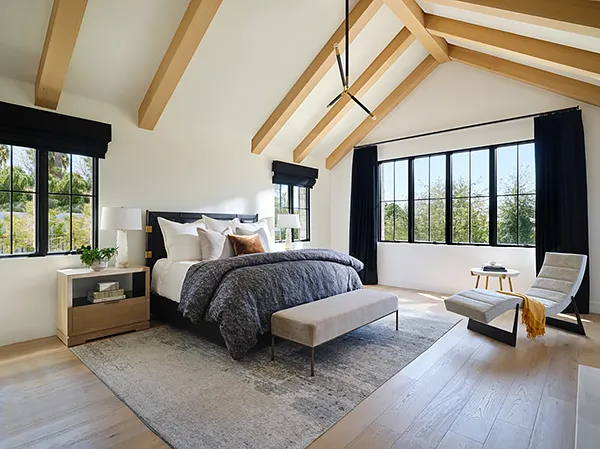
10) B. No. By law, bedrooms need at least two points of egress—the door and a window that you can exit through in an emergency. Picture windows are fixed and do not open, so you’ll need to include another window type in bedrooms.


