
Search By Square Foot
• Up to 1000 Sq Ft
• 1001 - 1500 Sq Ft
• 1501 - 2000 Sq Ft
• 2001 - 2500 Sq Ft
• 2501 - 3000 Sq Ft
• 3001 - 3500 Sq Ft
• 3501 - 4000 Sq Ft
• 4001 - 4500 Sq Ft
• 4501 - 5000 Sq Ft
• 5001 Sq Ft And Up
Search By Square Foot
• Up to 1000 Sq Ft
• 1001 - 1500 Sq Ft
• 1501 - 2000 Sq Ft
• 2001 - 2500 Sq Ft
• 2501 - 3000 Sq Ft
• 3001 - 3500 Sq Ft
• 3501 - 4000 Sq Ft
• 4001 - 4500 Sq Ft
• 4501 - 5000 Sq Ft
• 5001 Sq Ft And Up
.png)
.png)
Building in Pennsylvania means understanding ground conditions that vary dramatically from one region to the next. Across the southeastern Piedmont, including Lancaster, York, Chester, and Bucks counties, carbonate bedrock creates karst terrain, a landscape of limestone and dolostone that dissolves over time to form sinkholes and underground voids. On lots in this region, a geotechnical investigation is standard practice before excavation, and builders watch for soil piping and subsidence that can affect foundation design.
Move north and west into the Ridge and Valley region around Harrisburg, Altoona, and State College, and the geology shifts to shale and sandstone with rockier, better-drained soils. In the Poconos and the northern tier, glacial soils and heavier snow loads shape how foundations and roof structures are built. In southwestern Pennsylvania around Pittsburgh, a legacy of underground coal mining in some areas adds mine subsidence as a site-specific risk worth checking before you build.
All residential construction across the state follows the Pennsylvania Uniform Construction Code (PA UCC), which adopted the 2021 International Residential Code (IRC) with Pennsylvania-specific amendments, effective January 1, 2026. Frost line requirements vary by county, with Pittsburgh and Allentown both set at 36 inches, and deeper excavations common in the northern tier.
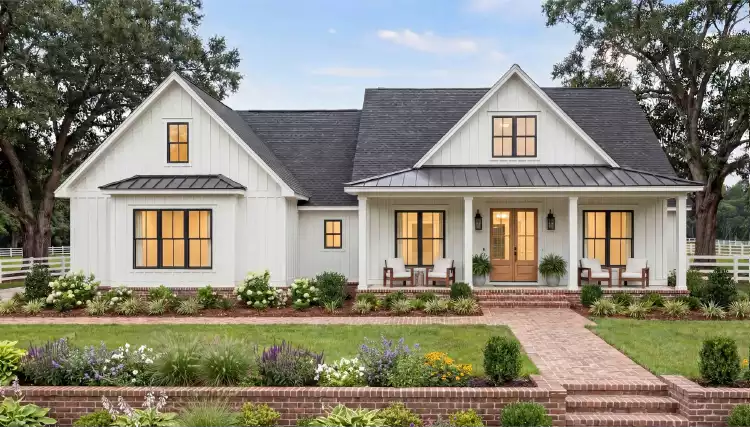
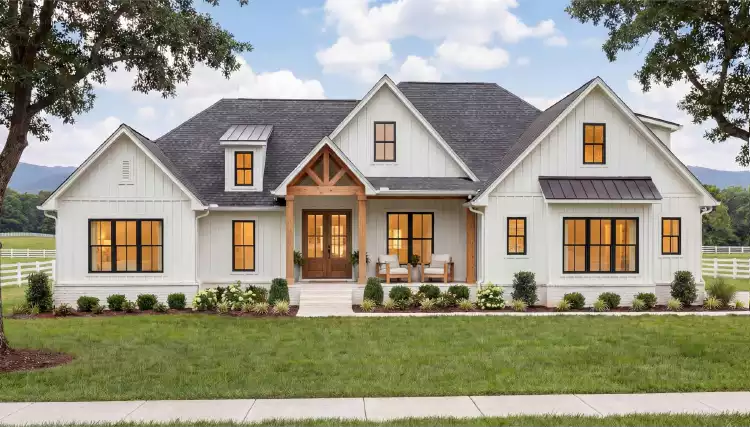
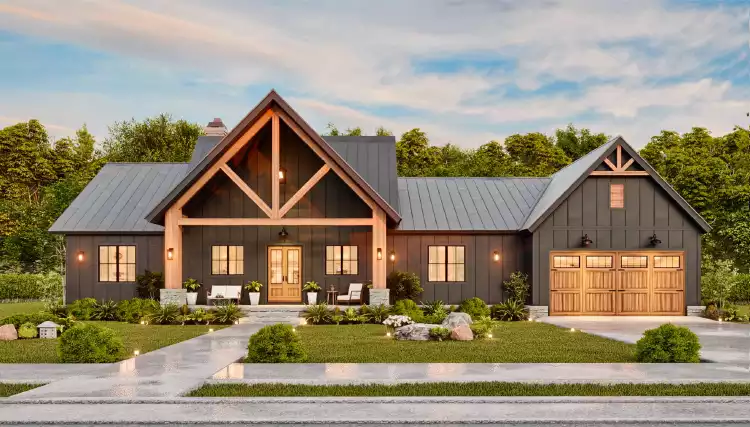
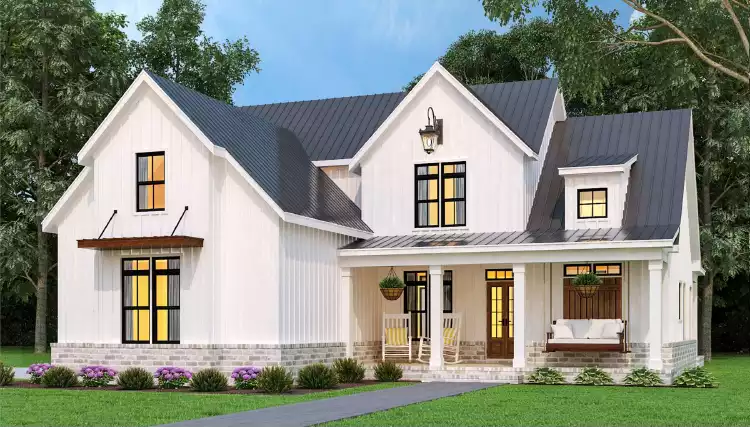
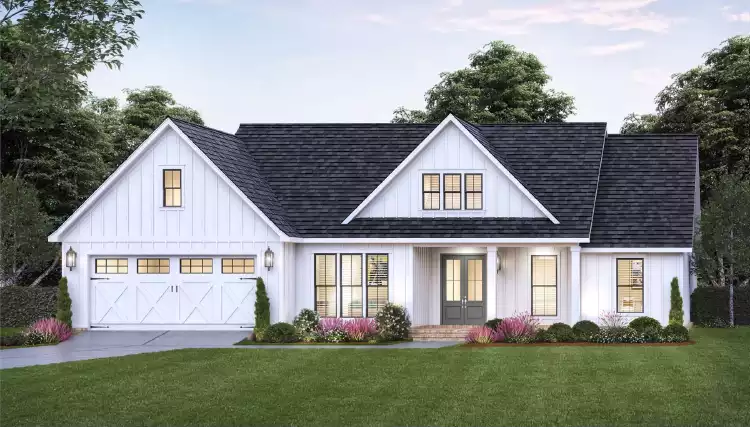
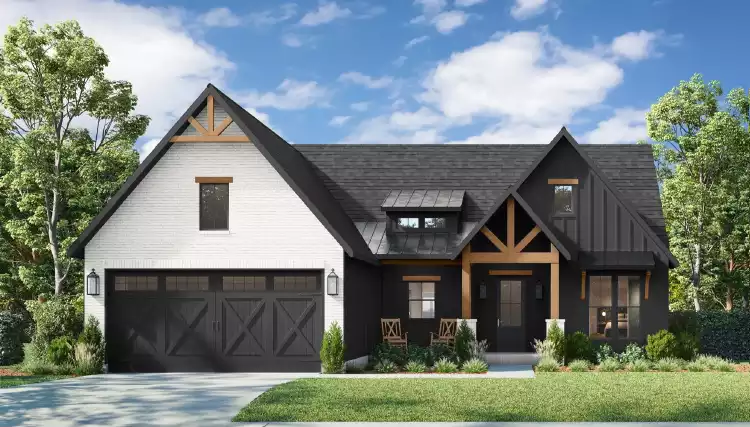
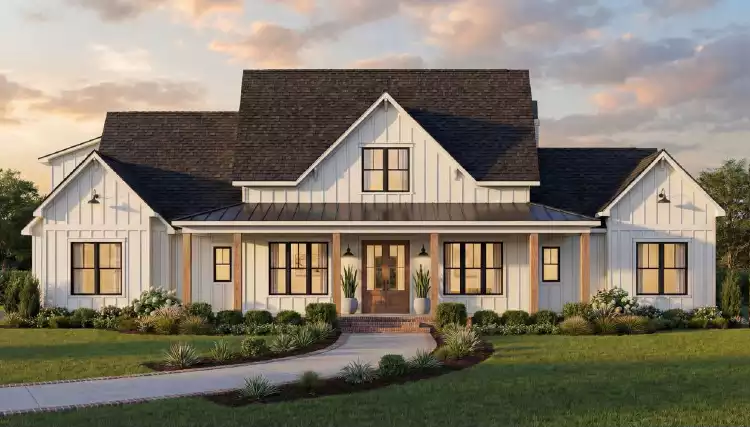
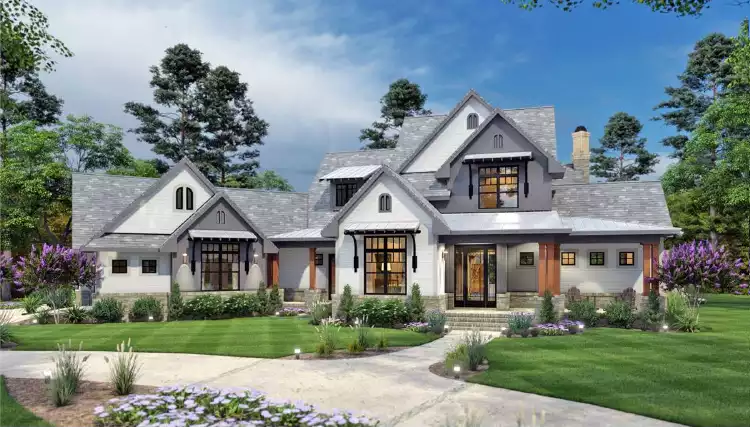
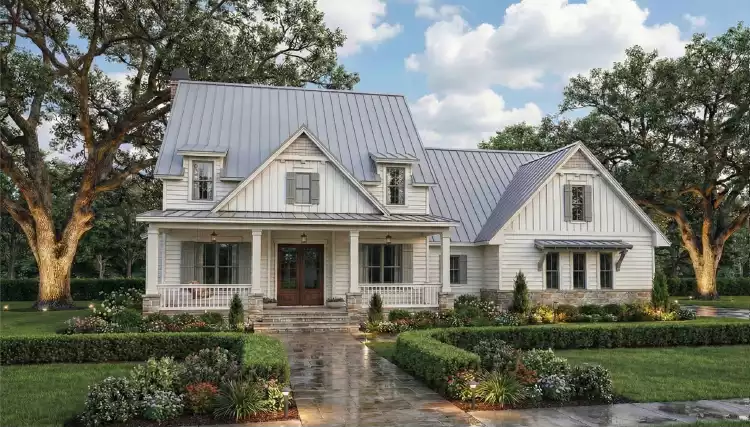
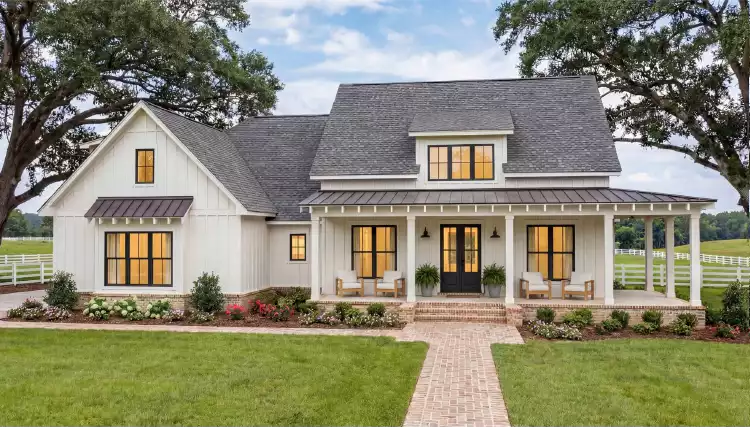
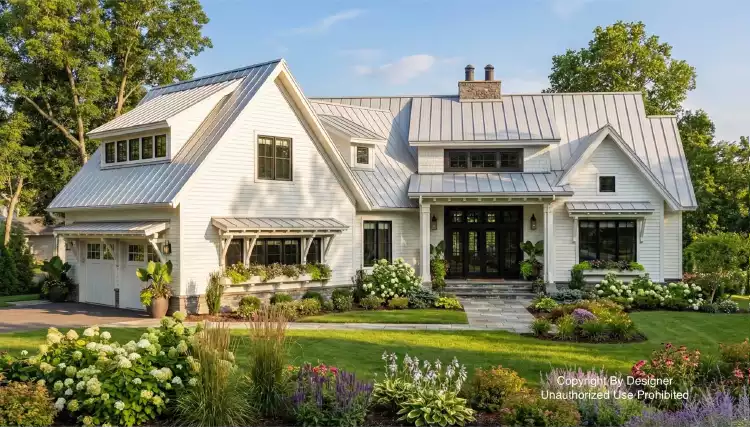
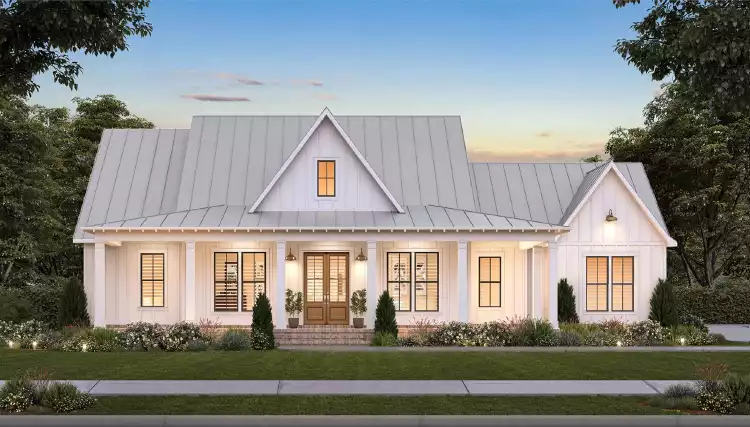
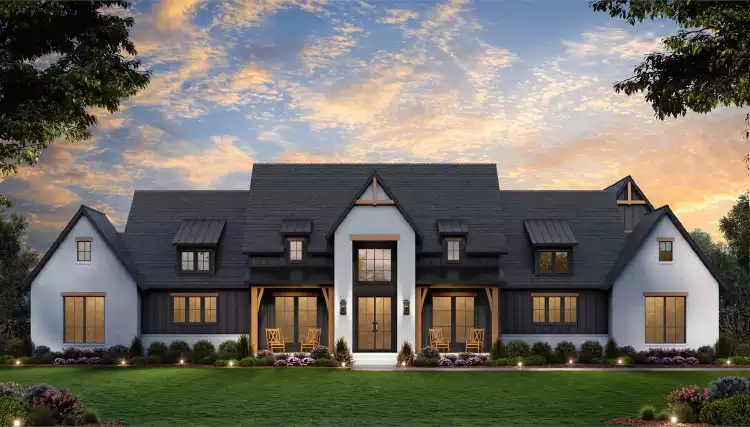
Our collection of Pennsylvania house plans draws from the state’s deep architectural roots, from the fieldstone colonial and bank barn farmhouse traditions of Lancaster and Berks counties to the brick Georgian homes of Philadelphia’s Main Line suburbs and the Craftsman bungalows popular in Pittsburgh’s historic neighborhoods. Modern farmhouse designs are popular for new construction in suburban communities throughout Chester County, the Lehigh Valley, and the Harrisburg metro.
In the Poconos and Laurel Highlands, mountain and cabin styles are standard for vacation and year-round retreats. Regional materials reflect local geology: fieldstone and Pennsylvania bluestone remain common accents in the southeast, brick is a staple across the Philadelphia suburbs, and wood siding and metal roofing are practical choices in the rural northwest. Most plans feature full basements suited to the state’s frost depths, steep roof pitches for snow shedding, mudrooms for wet-weather entries, and 2x6 exterior wall framing for the insulation levels required under Pennsylvania’s energy code. Our plans range from under 1,500 to over 5,000 square feet, so we have something for everybody.
If your project requires engineering services, we’re here to help. Through our nationwide network of licensed engineers, we can connect you with qualified professionals who can review, update, and structurally stamp your house plans to meet the permitting requirements of your state, county, or local municipality, if needed. To request engineering pricing, simply contact us by email, live chat, or calling 866-214-2242, and our team will be happy to provide an estimate, answer your questions, and review expected delivery timelines.
Residential construction in Pennsylvania is governed by the Pennsylvania Uniform Construction Code (PA UCC), established under Act 45 of 1999 (the Pennsylvania Construction Code Act). Effective January 1, 2026, the PA UCC was updated to adopt the 2021 International Residential Code (IRC) and the 2021 International Energy Conservation Code (IECC), with Pennsylvania-specific amendments. Over 90% of Pennsylvania’s 2,562 municipalities administer and enforce the UCC locally, either through their own officials or certified third-party agencies.
Pennsylvania spans three IECC climate zones: Zone 4 covers the southeastern counties including Philadelphia, Lancaster, and York; Zone 5 covers central Pennsylvania including Harrisburg, Pittsburgh, and State College; and Zone 6 covers the northern tier. Your local building department will confirm which climate zone applies and what code edition governs your permit.
Full basements are the most common foundation type across Pennsylvania because frost depths require footings to be set below grade anyway, typically 36 inches or deeper depending on county. In most of the state, full excavation to those depths makes a finished or unfinished basement a cost-effective addition. The exception is limestone karst terrain in the southeastern counties, including Lancaster, York, Chester, Dauphin, Cumberland, and Berks.
In these areas, soluble carbonate bedrock can contain underground voids that affect bearing capacity and create sinkhole risk. Builders and lenders on karst lots commonly require a geotechnical investigation before foundation design is finalized. In the Poconos and the glacially influenced northeast, soils tend to be stonier and better drained, and full basements remain practical. Your builder and a local geotechnical engineer are the right resources for site-specific foundation guidance.
Ground snow loads vary significantly across Pennsylvania. The Philadelphia and Pittsburgh metro areas carry moderate snow loads, while the Poconos, the Laurel Highlands, and the Erie snowbelt see substantially heavier accumulations that translate directly into higher roof framing requirements. Under the PA UCC, ground snow loads are set locally and must be confirmed with your building department before finalizing roof truss or rafter specifications.
In practice, most Pennsylvania builders use steeper roof pitches, typically 6:12 or greater, to shed snow efficiently and prevent ice damming along eaves. Plans designed for high-snow areas in the northern counties and Pocono region may require heavier rafter sizing or engineered trusses reviewed by a licensed local engineer. Your local building official will provide the ground snow load value for your specific site.
Pennsylvania’s architectural variety reflects its settlement history. Colonial and Georgian styles, often in brick with white-painted trim, are well-established across Philadelphia’s Main Line and Montgomery County suburbs. In Lancaster and Berks counties, the Pennsylvania German tradition produced the iconic bank barn farmhouse, built into a hillside to allow access at two levels, and the double-door four-bay house, both of which inform the regional farmhouse aesthetic that drives new construction there today.
Craftsman bungalows are popular in Pittsburgh and Allentown neighborhoods, while Cape Cod and traditional ranch designs are common across suburban communities statewide. Modern farmhouse is the dominant new construction style throughout Chester County, the Lehigh Valley, and the York and Harrisburg metros. In the Poconos, Laurel Highlands, and along the Susquehanna River, mountain and cabin plans are the standard choice for vacation and year-round properties.
Pennsylvania's topography creates a range of lot conditions that influence plan selection. The Ridge and Valley region, running through the central part of the state from the Delaware Water Gap southwest through Blair and Bedford counties, produces steeply sloping lots where walkout basement designs are practical and often preferred. In the Poconos and the Endless Mountains, wooded mountain lots with significant grade change are common, making plans with daylight basements and lower-level garages well-suited choices.
Along the Susquehanna and Delaware rivers, flood zone designations apply in some areas, which may require the main living level to be elevated. In the Philadelphia suburbs, many established communities have smaller infill lots and design review requirements that favor traditional two-story colonials and Cape Cods. Confirm lot-specific conditions, including slope, flood designation, and any municipal design standards, with your builder before selecting a plan.
Pennsylvania's limestone belt, running through the Cumberland, Lebanon, Dauphin, Lancaster, York, Chester, and Berks county corridor, is one of the most densely karsted regions in the eastern United States. The Pennsylvania Geological Survey has mapped karst features, including sinkholes and surface depressions, across 22 counties, with the highest densities in the south-central and southeastern areas where carbonate bedrock is closest to the surface.
For builders, this means a geotechnical site assessment is a standard step before foundation design in these counties, and some municipalities in the region have adopted local karst ordinances that govern grading, drainage, and excavation. The Pennsylvania Housing Research Center at Penn State is a practical resource for builders seeking guidance on foundation options in karst terrain. If you're building in one of these counties, your geotechnical engineer's report will drive foundation design more than any other factor.
Yes. Modifications are common and expected. Popular changes for Pennsylvania builds include adding a walkout basement level to suit a sloping lot, expanding the garage for equipment storage, reconfiguring the kitchen or primary suite, adjusting the roof pitch for heavier snow-load areas, or adding a covered front porch to fit a traditional neighborhood aesthetic. If you're building in a karst area or a high-snow county, our modification team can work with you to adjust structural details in a way that supports your local engineer's review. Click "Modify This Plan" on any plan page for a free estimate. Keep in mind that Pennsylvania requires a licensed engineer or registered design professional to review and stamp plans for most permit applications, so build that step into your project timeline.