
Search By Square Foot
• Up to 1000 Sq Ft
• 1001 - 1500 Sq Ft
• 1501 - 2000 Sq Ft
• 2001 - 2500 Sq Ft
• 2501 - 3000 Sq Ft
• 3001 - 3500 Sq Ft
• 3501 - 4000 Sq Ft
• 4001 - 4500 Sq Ft
• 4501 - 5000 Sq Ft
• 5001 Sq Ft And Up
Search By Square Foot
• Up to 1000 Sq Ft
• 1001 - 1500 Sq Ft
• 1501 - 2000 Sq Ft
• 2001 - 2500 Sq Ft
• 2501 - 3000 Sq Ft
• 3001 - 3500 Sq Ft
• 3501 - 4000 Sq Ft
• 4001 - 4500 Sq Ft
• 4501 - 5000 Sq Ft
• 5001 Sq Ft And Up
.png)
.png)
Building in Ohio starts with the ground under your feet. The frost line sits about three feet below grade across most of the state, so foundations need to reach deep enough to avoid shifting through the winter freeze and thaw. Since that excavation is already required, a full basement is a common and cost-effective choice, and you'll find it on many of our designs.
Snow matters, too. Northern Ohio, including the lake-effect snow belt stretching east from Cleveland along Lake Erie toward Akron, sees heavier snowfall than central or southern counties, so roof framing for a northern build may need extra attention. Most of the state follows the Residential Code of Ohio, based on the International Residential Code with state amendments, and requirements can shift from one county to the next. Your local building department or builder will confirm exactly what applies to your lot.
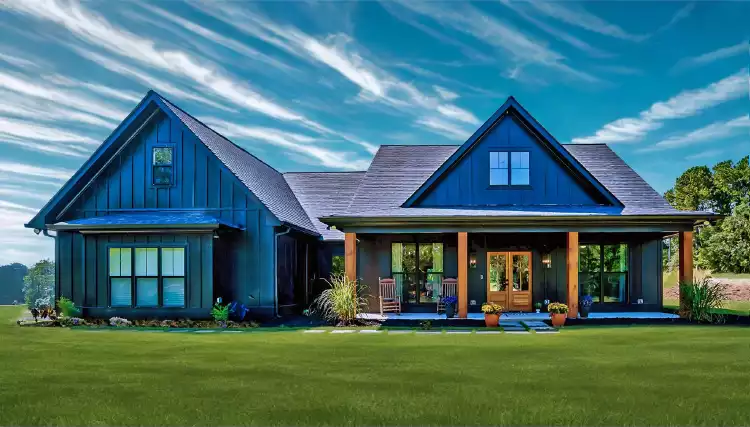
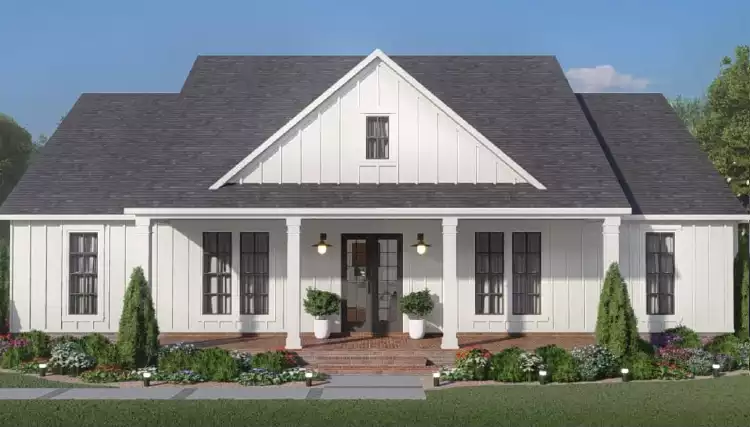
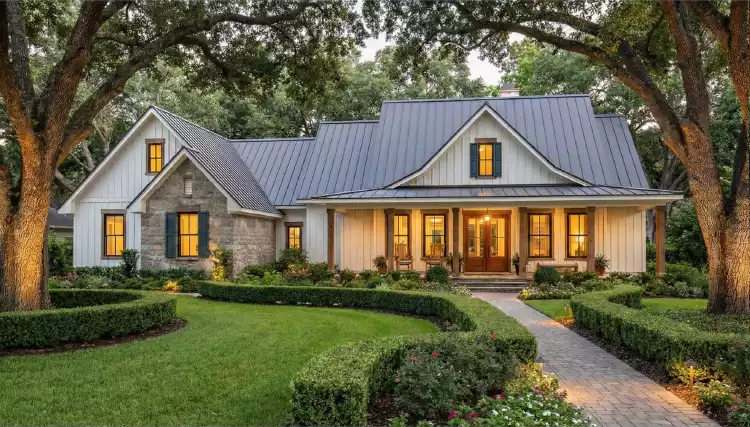
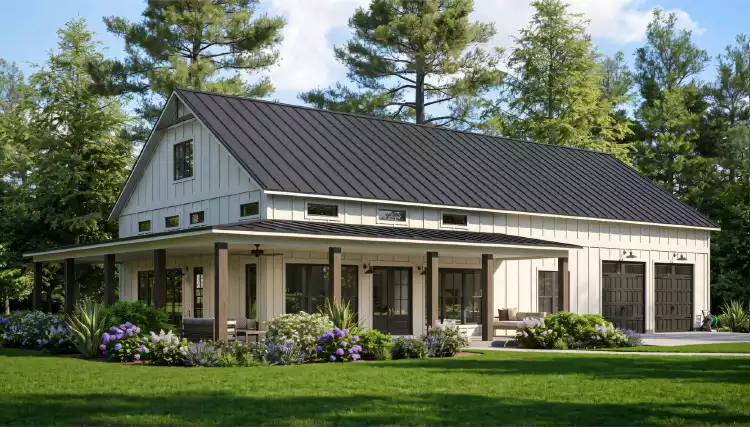
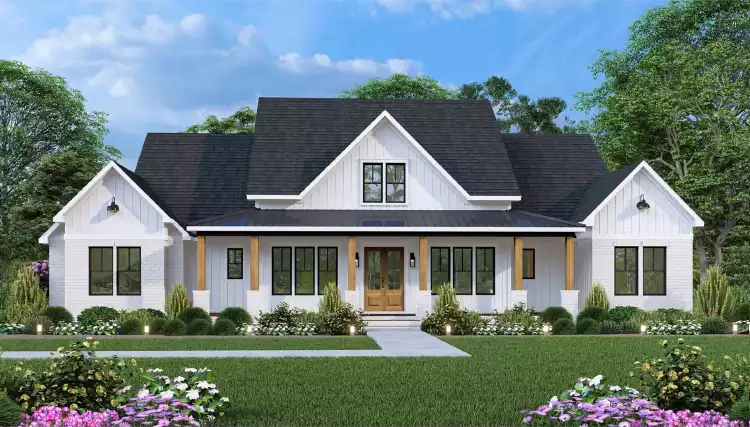
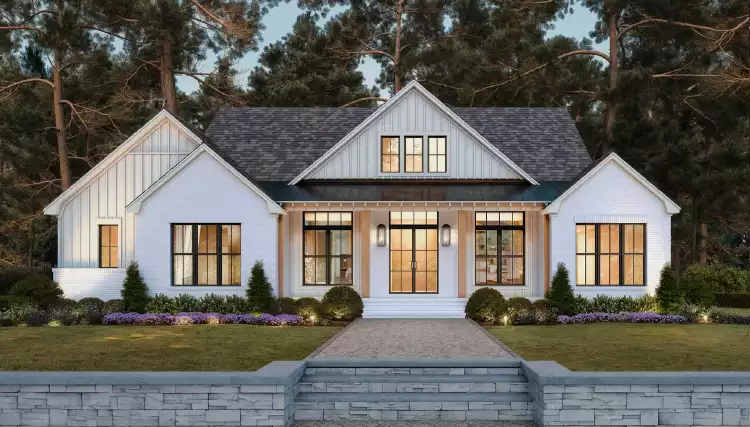
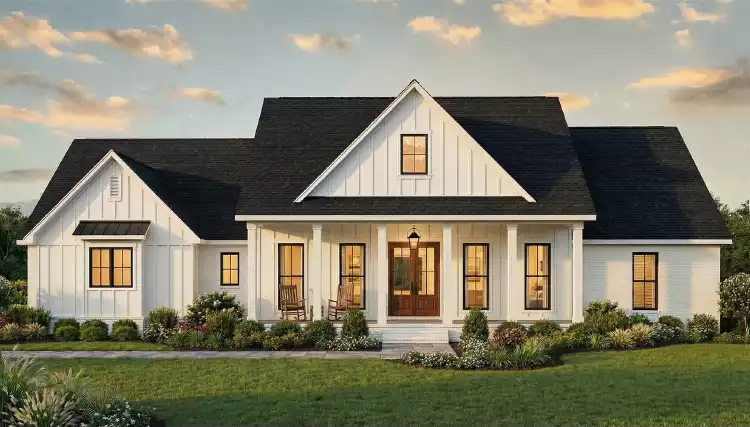
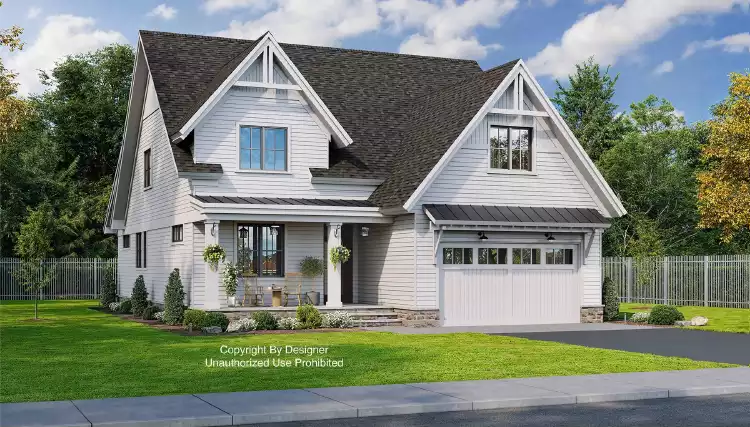
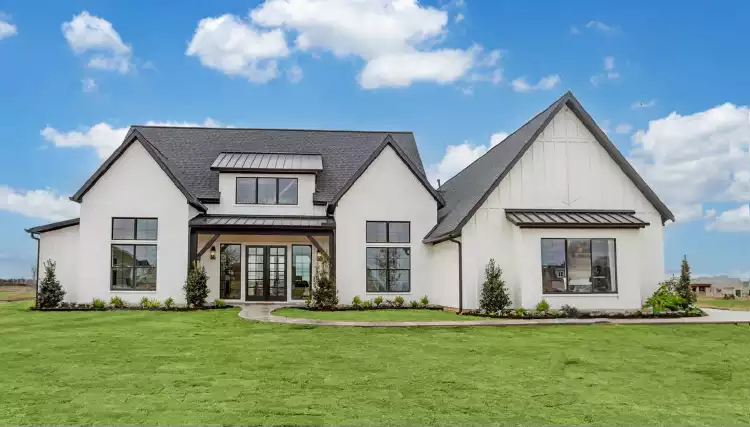
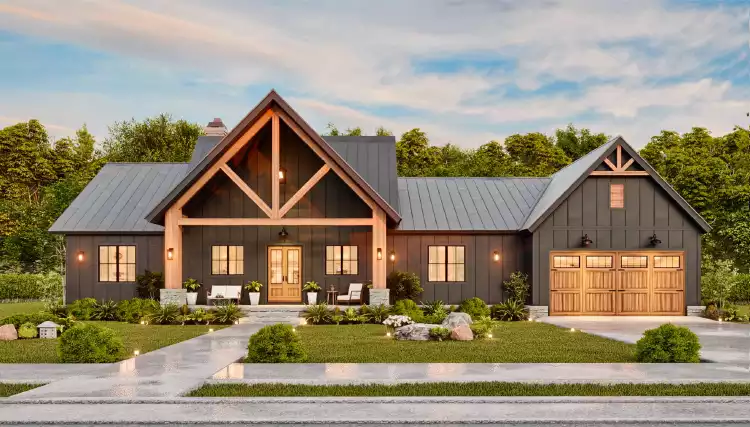
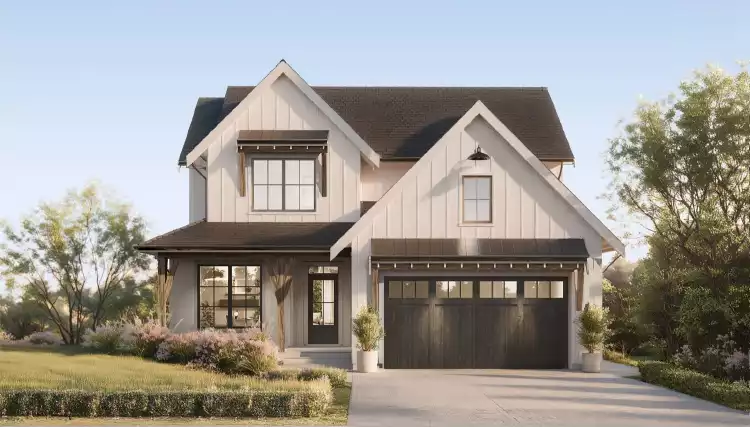
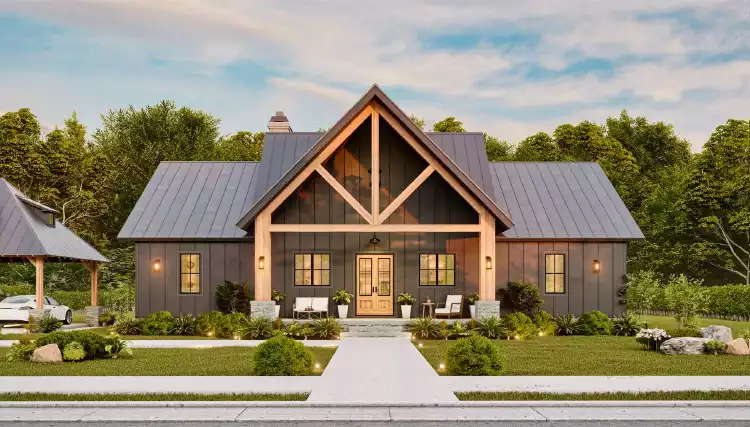
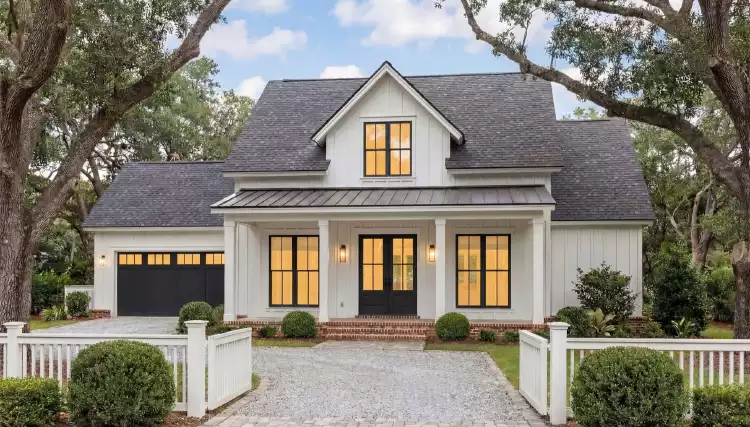
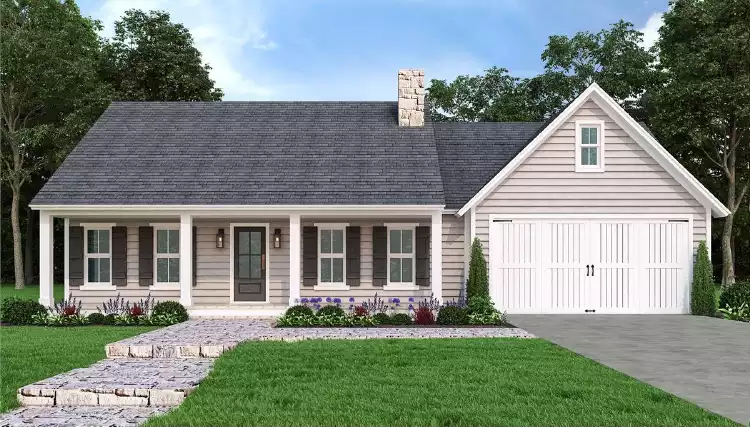
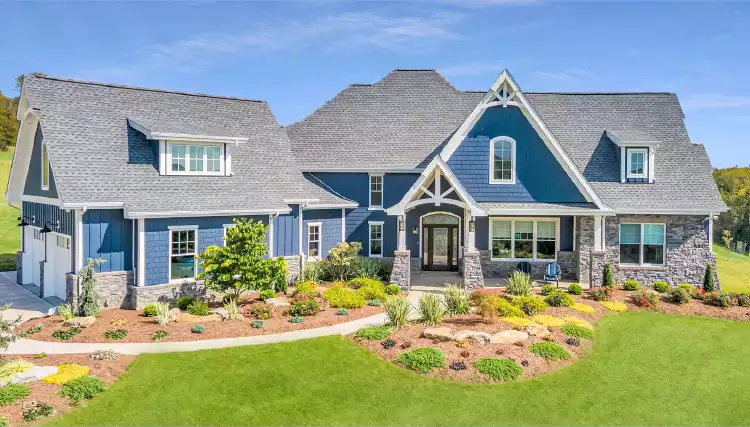
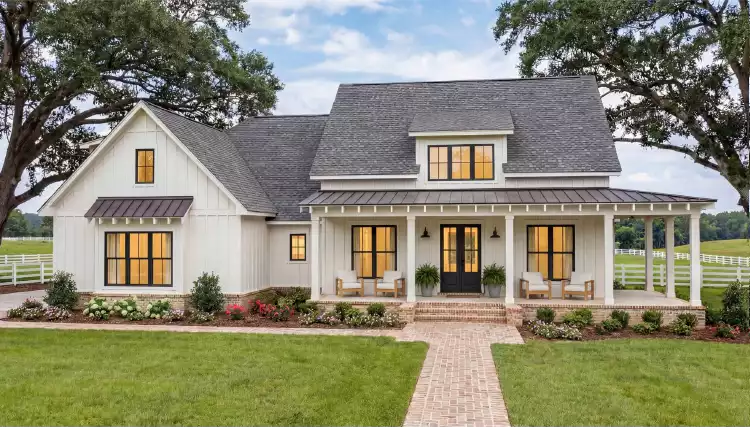
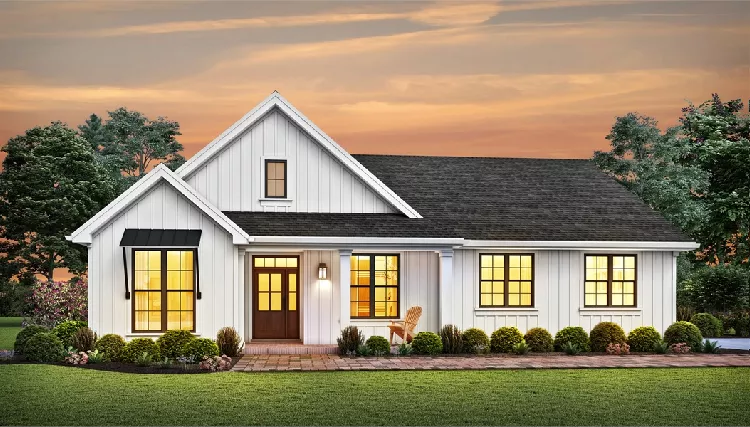
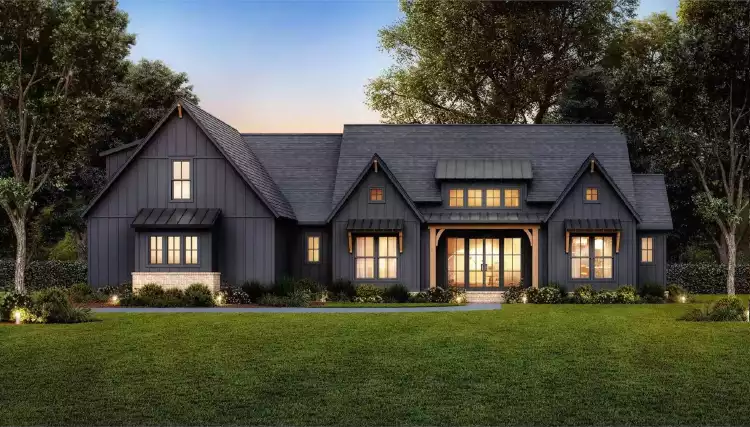
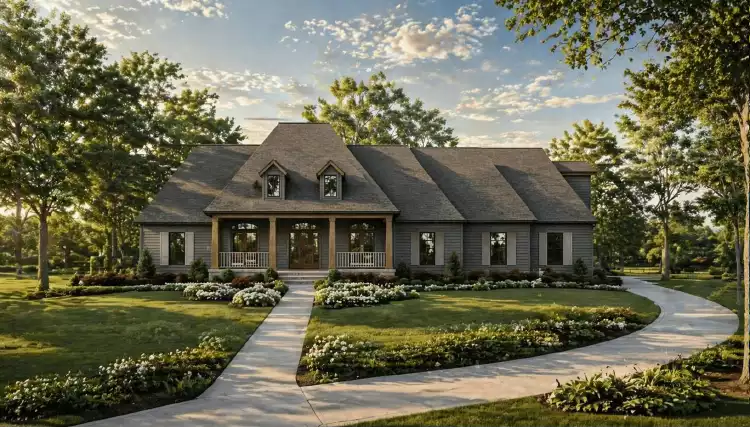
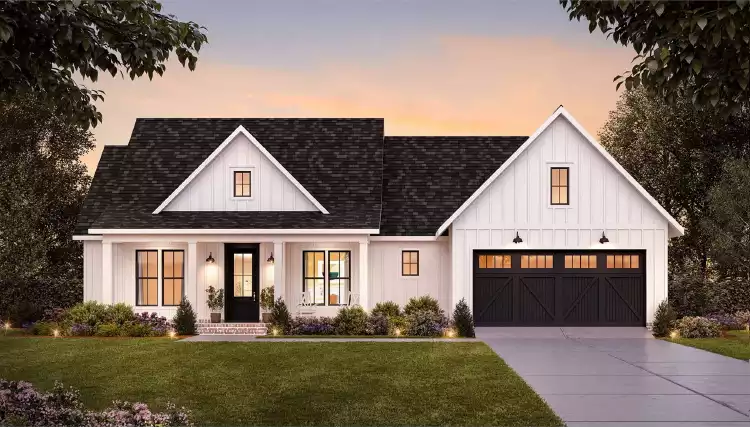
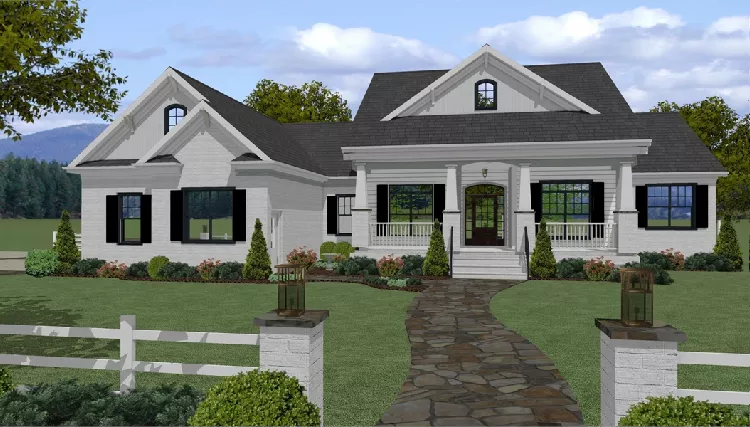
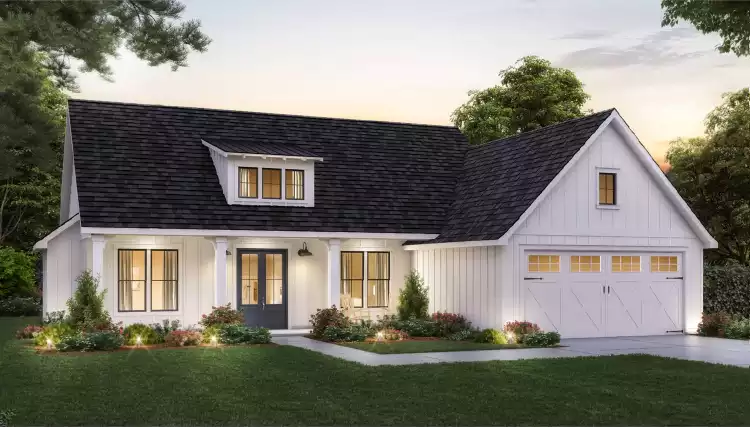
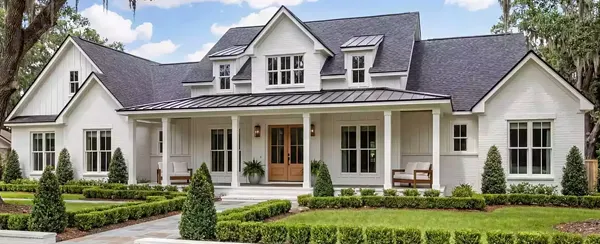
Our collection covers the styles Ohioans favor, from ranch house plans and colonial plans to modern farmhouse plans and Craftsman house plans, many paired with open main-floor layouts and large kitchens. You'll find designs with mudrooms, covered porches, and brick or low-maintenance siding that suit the region's seasons. Around Columbus, Cincinnati, and the suburbs, two-story homes on basement foundations stay popular, while open rural acreage and small towns fit wider single-story plans. Whether you want an in-town design for a narrow lot in Toledo or Dayton, or a spacious home on country land, our team can help you find it.
If your project requires engineering services, we’re here to help. Through our nationwide network of licensed engineers, we can connect you with qualified professionals who can review, update, and structurally stamp your house plans to meet the permitting requirements of your state, county, or local municipality, if needed. To request engineering pricing, simply contact us by email, live chat, or calling 866-214-2242, and our team will be happy to provide an estimate, answer your questions, and review expected delivery timelines
Ohio follows the Residential Code of Ohio, based on the International Residential Code with state-specific amendments, covering structural loads, energy performance, and foundation requirements suited to the local climate. Adoption is fairly consistent statewide, but local jurisdictions can add their own requirements, so the rules in Franklin County around Columbus may differ from those in Cuyahoga County near Cleveland or Hamilton County near Cincinnati. Wind speed, snow load, and frost depth all factor into the structural details. Your local building department will confirm which code edition and local amendments apply to your permit, and your builder can help you prepare the right documents before you submit.
Full basements are the most common choice across Ohio. The frost line sits about three feet below grade, so foundations have to be set deep enough to prevent shifting during freeze and thaw cycles, and once that excavation is done, a basement adds storage, mechanical space, and room to finish later. Crawlspaces and slab-on-grade are used too, especially on lots with a high water table or where budget is a factor. A geotechnical report is worthwhile on tricky sites. Confirm the right approach for your lot with your builder or local engineer before you finalize a plan, since soil and drainage vary across the state.
Roof structures need to support the snow loads specific to your location, and northern Ohio carries heavier requirements than central and southern areas. The lake-effect snow belt running east from Cleveland along Lake Erie sees snow that adds up quickly through the season, so a roof framed for Columbus may need stronger framing closer to the lake. Our plans feature roof pitches that shed snow well, and they can be adapted for your zone. When you apply for a permit, your local building department will confirm the snow load for your site. For higher-snow counties, have a local engineer review the roof structure before you build so the framing matches your conditions.
Most of Ohio is designed around a baseline wind speed that standard framing handles well, since the state sits in a region of moderate wind exposure rather than coastal extremes. Open rural sites and exposed lots may need extra bracing or stronger connections to resist uplift, but these are routine adjustments rather than major hurdles. Spring and summer thunderstorms are the main concern, and features like covered entries help protect the home from weather. A local engineer or your builder can confirm whether your specific lot calls for any wind-related adjustments before permitting.
Possibly. Most of Ohio carries low earthquake risk, but the southwestern corner near the Indiana border and the Cincinnati area sits closer to a regional fault zone, so builds there may call for some additional seismic awareness during review. This is a modest consideration, not a major obstacle, and it mostly affects how certain structural connections are detailed. A local engineer familiar with your county can confirm whether your lot needs any extra review before you submit your plans for a permit.
Ranch and colonial styles are well-established across Ohio suburbs, from the communities around Columbus to neighborhoods in Cleveland, Cincinnati, and Toledo. Modern farmhouse and Craftsman designs are popular for new construction in both developing subdivisions and on rural land. Cape Cod and cottage styles also appear throughout older towns and established neighborhoods. Many buyers pair these traditional exteriors with open, modern floor plans and generous kitchens inside. Inland, two-story homes on basement foundations remain a steady favorite, while single-story ranch plans suit wider country lots. Our collection covers this full range, so you can match a style to both your region and your neighborhood.
Yes, and most buyers do. Common changes for Ohio builds include finishing the basement, enlarging the garage for a workshop or snow equipment, adding a mudroom or sunroom, reconfiguring the kitchen, or adjusting the roof framing for a lake-effect snow zone. If you're building in southwestern Ohio, our team can also help adapt details to support a local engineer's seismic review. Keep in mind that Ohio typically requires a licensed engineer or architect to review and stamp plans for permit submission, so build that step into your timeline. Remember, you can click Modify This Plan on any design for a free estimate.