
Search By Square Foot
• Up to 1000 Sq Ft
• 1001 - 1500 Sq Ft
• 1501 - 2000 Sq Ft
• 2001 - 2500 Sq Ft
• 2501 - 3000 Sq Ft
• 3001 - 3500 Sq Ft
• 3501 - 4000 Sq Ft
• 4001 - 4500 Sq Ft
• 4501 - 5000 Sq Ft
• 5001 Sq Ft And Up
Search By Square Foot
• Up to 1000 Sq Ft
• 1001 - 1500 Sq Ft
• 1501 - 2000 Sq Ft
• 2001 - 2500 Sq Ft
• 2501 - 3000 Sq Ft
• 3001 - 3500 Sq Ft
• 3501 - 4000 Sq Ft
• 4001 - 4500 Sq Ft
• 4501 - 5000 Sq Ft
• 5001 Sq Ft And Up
.png)
.png)
Two things shape nearly every decision when you’re choosing a house plan for Massachusetts: snow and energy. Snow loads vary meaningfully across the state, from around 40 psf near the South Shore and Cape Cod up to 70 psf or more in the Berkshires and western highlands, so the roof pitch and framing your builder uses in Pittsfield will differ from what’s typical in Plymouth or on the North Shore.
On energy, Massachusetts has one of the most ambitious standards in the country. Every new home must meet the 10th Edition Massachusetts State Building Code (780 CMR), and in most of the state, you’ll also be building under the Stretch Code, a higher-efficiency energy standard now adopted by over 300 of the state’s 351 cities and towns, including Boston, Newton, Cambridge, Worcester, Springfield, Lowell, and most of Greater Boston and the MetroWest suburbs. What that means for you: the plan you choose will be adapted by your builder to hit these targets, with tighter insulation, better windows, and more efficient systems than you’d find in most other states.
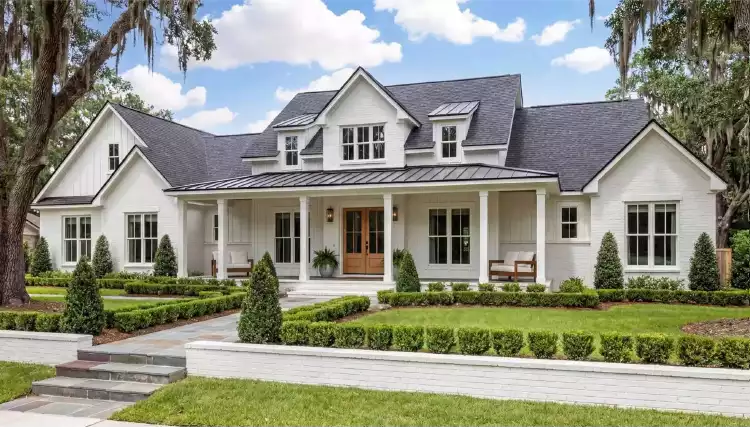
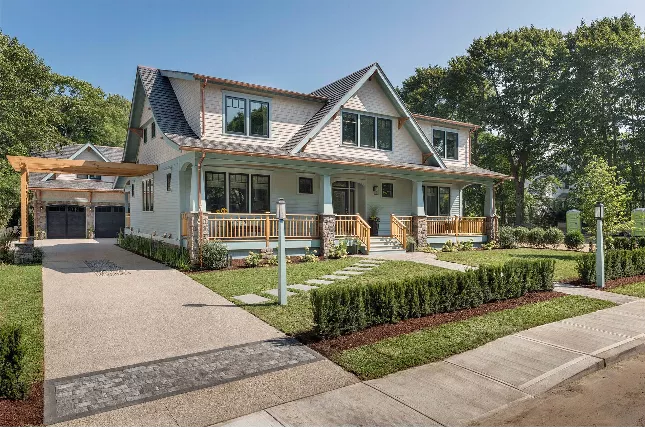
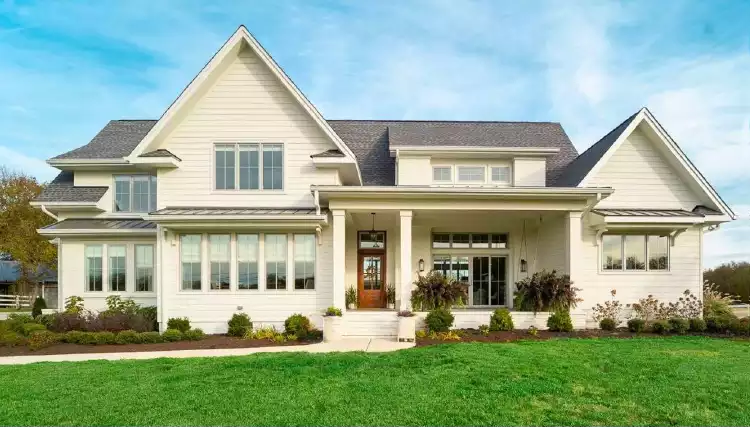
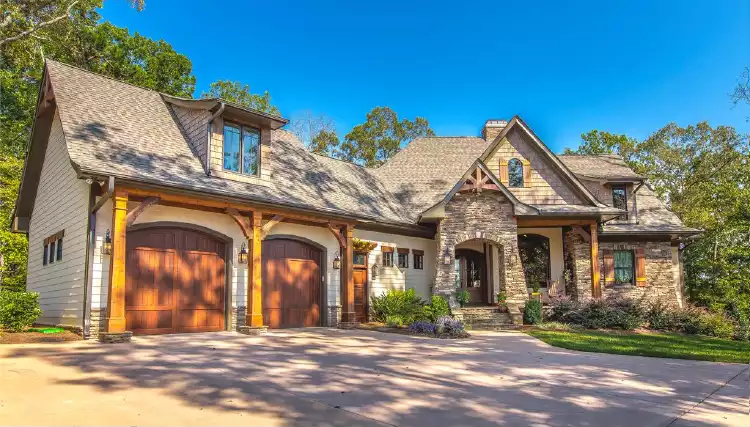
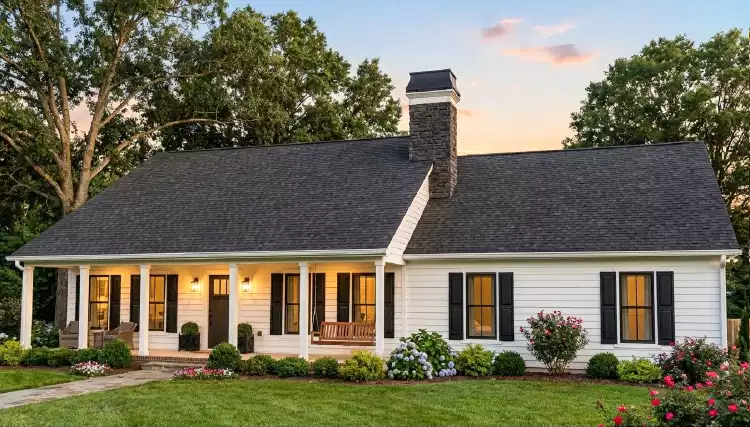
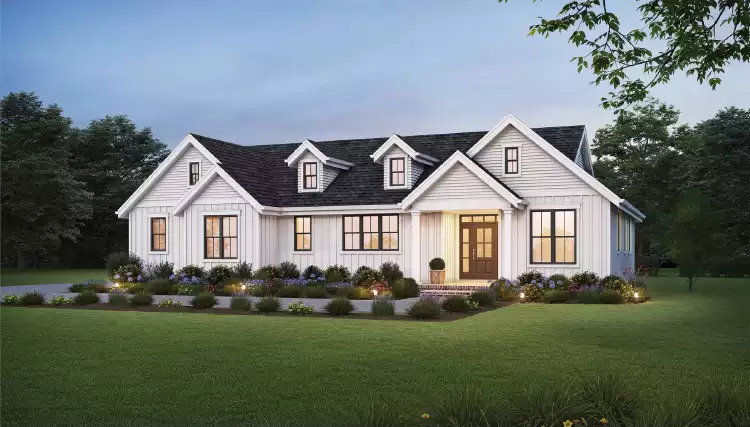
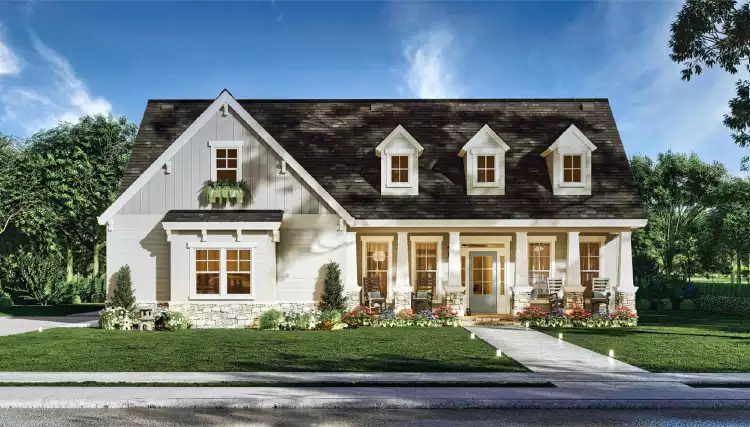
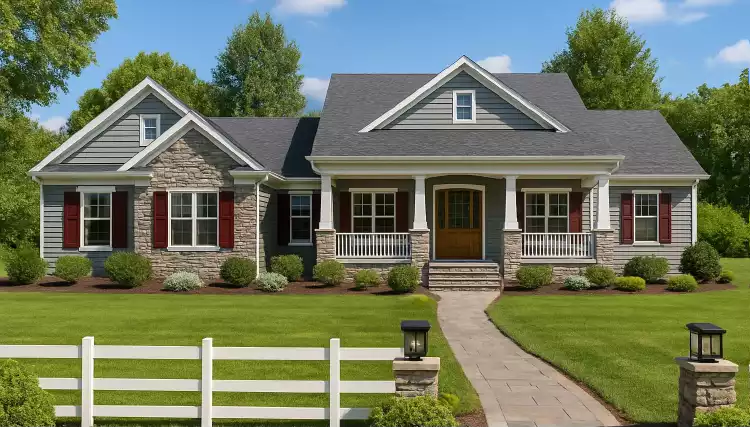
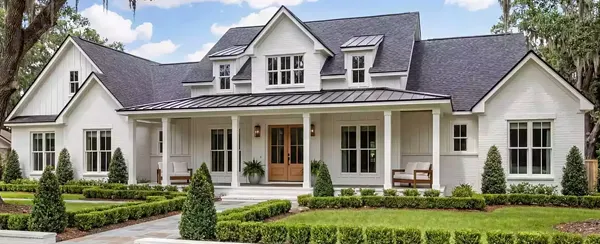
Our collection spans the styles Massachusetts is known for, from colonial plans and Cape Cod floor plans to farmhouse plans and Craftsman house plans, many paired with open interiors, generous kitchens, and mudrooms built for New England winters. Two-story colonials on full basements are the standard choice in inland suburbs from the Merrimack Valley down through Worcester County and out to the Pioneer Valley.
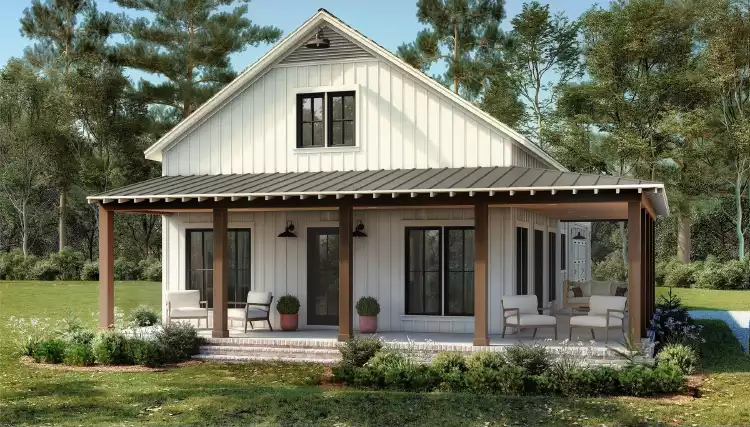
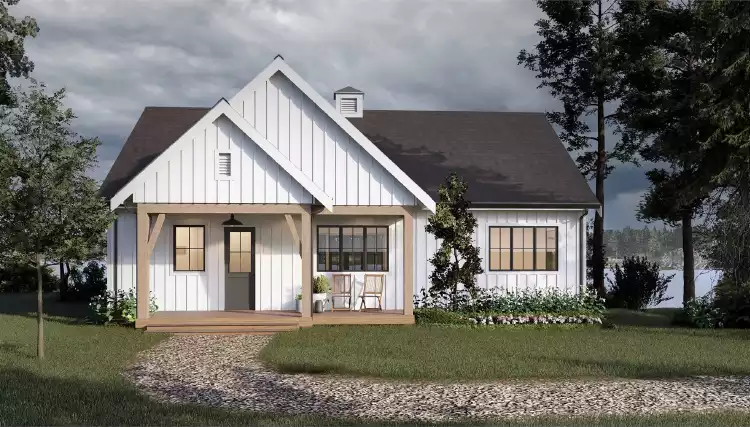
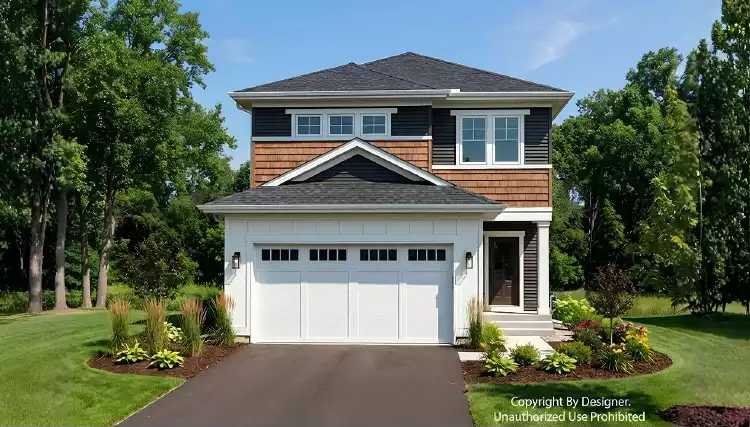
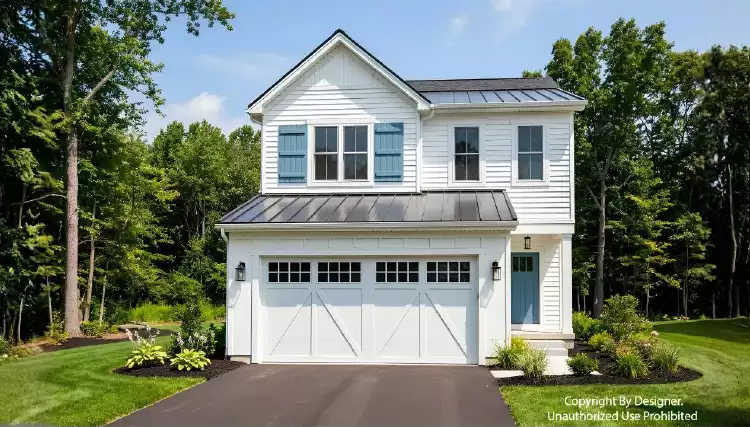
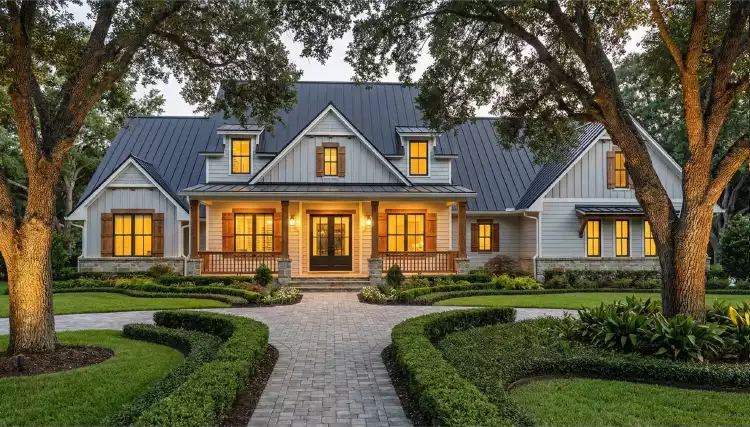
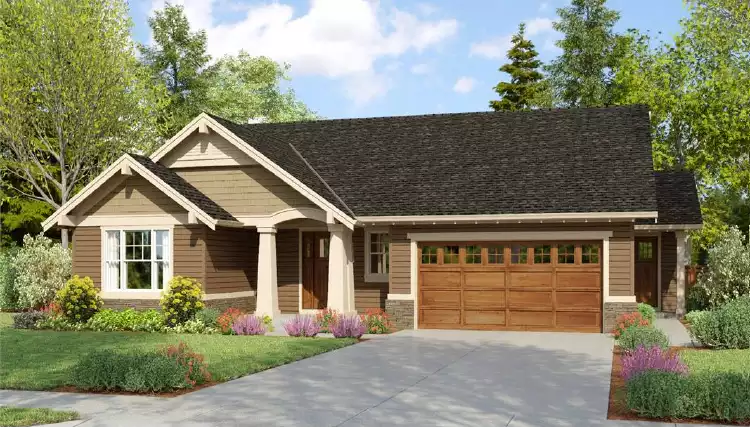
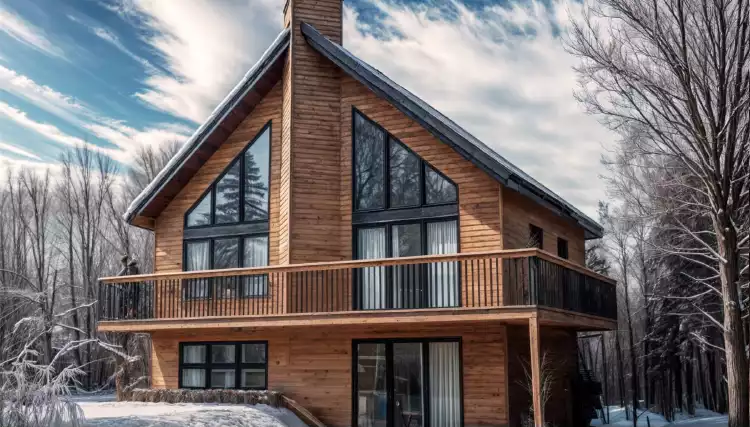
Coastal communities on the South Shore, Cape Cod, Martha’s Vineyard, and Nantucket lean toward shingle-style and elevated coastal designs with weather-aware finishes. In the Berkshires and western Massachusetts, you’ll find buyers drawn to farmhouse and Craftsman styles with steep rooflines, covered porches, and clapboard or board-and-batten siding. Historic towns like Concord, Lexington, Salem, Newburyport, and Marblehead favor traditional two-story designs that fit narrow lots and established streetscapes. Whatever sort of home you need for Massachusetts, our collection has you covered.
New homes in Massachusetts are governed by the 10th Edition Massachusetts State Building Code, known as 780 CMR, which took effect in 2025 and is based on the 2021 International Residential Code (IRC) with Massachusetts amendments. What that means practically: your builder works from a specific, state-adopted set of rules covering structure, snow loads, wind, and energy, not just a generic national standard. On top of the base code, Massachusetts has its own energy tier called the Stretch Code, which raises the efficiency bar above what most states require. Check with your local building department early, since requirements can vary from town to town, especially around energy and historic district design guidelines.
For most Massachusetts builds, you’ll want a full basement, and it’s the norm across inland and suburban areas for good reason: the frost line sits deep enough that your builder has to dig well below grade anyway, so a basement comes at relatively low extra cost and adds real value in storage, mechanical space, and the option to finish the lower level later. This holds true across Worcester County, the MetroWest suburbs, the Merrimack Valley, and most of western Massachusetts. Coastal lots are the main exception. On Cape Cod, the South Shore, and the Islands, sandy ground and flood zone requirements often point toward an elevated foundation or crawlspace instead. Your builder will know what’s standard for your specific town.
Snow loads in Massachusetts range from around 40 psf near the South Shore and coastal areas up to 70 psf or more in the Berkshires and western highlands, so where you build changes how your roof is framed. Any plan you choose will be adapted to your local snow load by your builder, which is a routine part of permitting. What this means when shopping for a plan: look for steep roof pitches, which shed snow faster and reduce the load your structure has to carry. Our New England plans are designed with exactly this in mind. You’ll also want to keep an eye on ice damming, a common winter headache in Massachusetts where poor insulation lets heat escape through the roof, melts snow, and refreezes at the eaves. Tighter insulation under the Stretch Code actually helps here, too.
Coastal towns in Massachusetts face stronger wind conditions than inland areas, and Cape Cod, Martha’s Vineyard, and Nantucket sit in a defined high-wind zone under 780 CMR. This means your plan needs enhanced wind detailing, which your builder handles during permitting. Flood zone maps also affect how your home sits on the lot: many coastal parcels require the main living level to be elevated above a base flood elevation, which is why you see so many homes on the Cape and Islands with that characteristic raised profile and stairs up to the entry. Many of these communities also have local historic or architectural review requirements on top of state code. The short version: coastal builds have more moving parts, and engaging a local builder who knows your specific town early makes a significant difference.
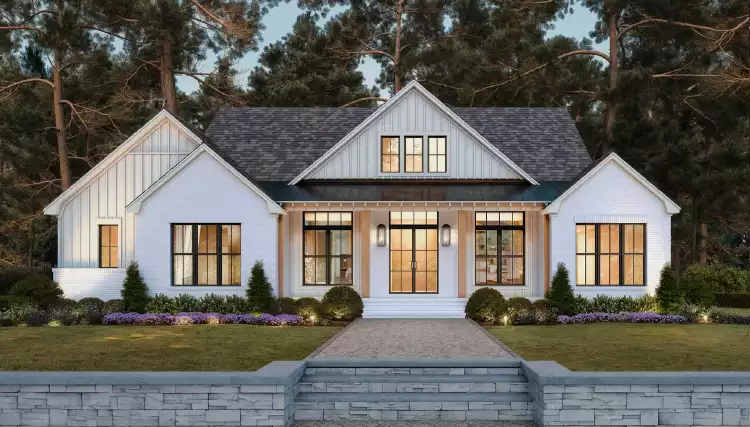
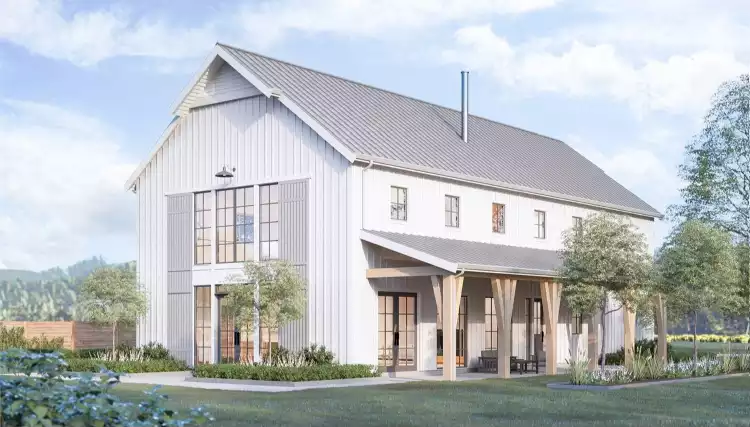
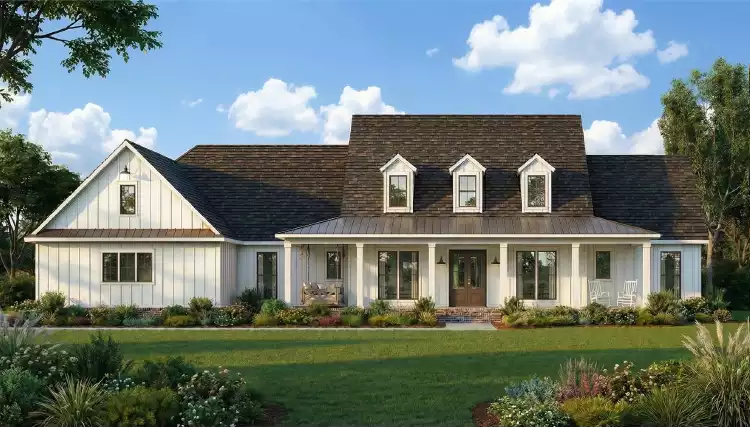
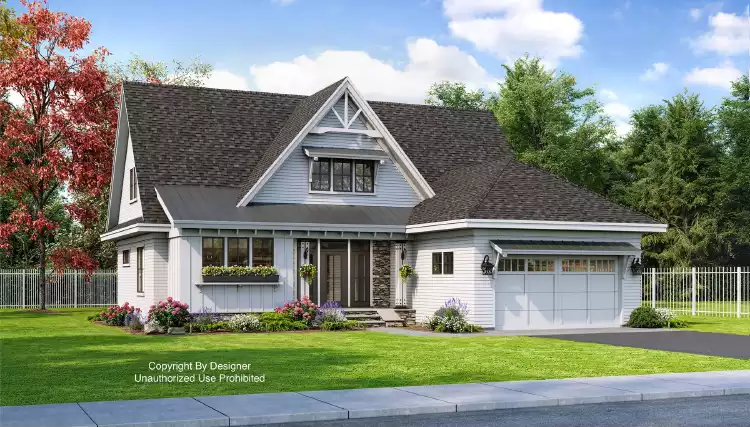
Colonial and Cape Cod styles are the dominant choice across most of the state, from older suburbs on the North Shore and South Shore through Worcester County and the Pioneer Valley. In Greater Boston communities like Lexington, Concord, Needham, and Wellesley, traditional two-story colonials with full basements and center-entry layouts are the neighborhood standard. Shingle-style and coastal cottage designs are popular across Cape Cod, the Islands, and the South Coast towns of New Bedford and Dartmouth. In the Berkshires, around Lenox, Stockbridge, and Great Barrington, farmhouse and Craftsman styles fit the landscape. Modern farmhouses have become a popular new-construction choice throughout suburban communities statewide, paired with open floor plans and large kitchen-living areas. Our collection covers this full range.
The Massachusetts Stretch Code is a higher-efficiency energy standard that goes beyond what the base building code requires, and it now applies in over 300 Massachusetts cities and towns, covering roughly 92% of the state’s population. If you’re building in Boston, Newton, Cambridge, Framingham, Worcester, Springfield, or most other Massachusetts communities, your new home will need to meet it. In practical terms, this means your builder will specify better insulation, higher-performance windows, and tighter air sealing than a base-code home, and a certified energy rater will verify the home hits the target before a certificate of occupancy is issued. The upside for you as a homeowner: lower energy bills, more consistent temperatures room to room, and a quieter, more comfortable home. When choosing a plan, look for designs with 2x6 exterior wall framing, which gives your builder the wall depth needed to meet these requirements.
Yes, and most buyers do. Common changes for Massachusetts builds include enlarging a mudroom or entry vestibule, adding a sunroom, reconfiguring the kitchen, adjusting the roof pitch for a higher snow zone, or adapting a design for a narrow historic lot in towns like Salem, Newburyport, or Marblehead. Coastal projects often update window choices or the foundation style for shoreline conditions. Keep in mind that Massachusetts requires a licensed engineer or architect to review and stamp plans for permit submission, so build that step into your timeline. Make sure to click Modify This Plan on any plan page for a free estimate!