
Search By Square Foot
• Up to 1000 Sq Ft
• 1001 - 1500 Sq Ft
• 1501 - 2000 Sq Ft
• 2001 - 2500 Sq Ft
• 2501 - 3000 Sq Ft
• 3001 - 3500 Sq Ft
• 3501 - 4000 Sq Ft
• 4001 - 4500 Sq Ft
• 4501 - 5000 Sq Ft
• 5001 Sq Ft And Up
Search By Square Foot
• Up to 1000 Sq Ft
• 1001 - 1500 Sq Ft
• 1501 - 2000 Sq Ft
• 2001 - 2500 Sq Ft
• 2501 - 3000 Sq Ft
• 3001 - 3500 Sq Ft
• 3501 - 4000 Sq Ft
• 4001 - 4500 Sq Ft
• 4501 - 5000 Sq Ft
• 5001 Sq Ft And Up
.png)
.png)
Building in Texas means working with the land, and that starts with understanding the soil under your foundation. Much of the state sits on expansive clay, particularly the Blackland Prairie belt running from the Red River through Dallas-Fort Worth, Austin, and down to San Antonio. This soil swells when wet and shrinks in drought, which is why most Texas homes are built on reinforced slab-on-grade or post-tension cable foundations rather than basements. In the Hill Country, shallow limestone bedrock changes the equation entirely, sometimes requiring drilled pier foundations instead. A geotechnical soil report before construction will help determine the right foundation type for your specific lot.
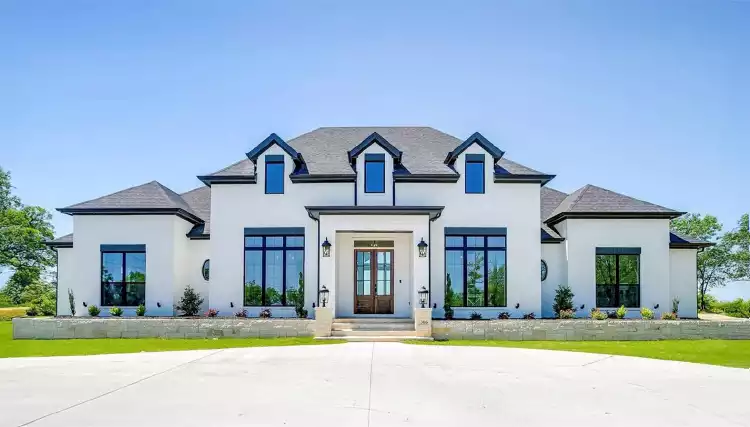
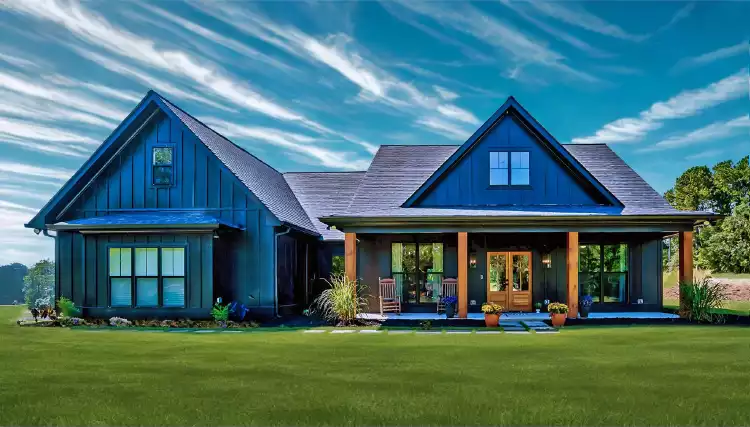
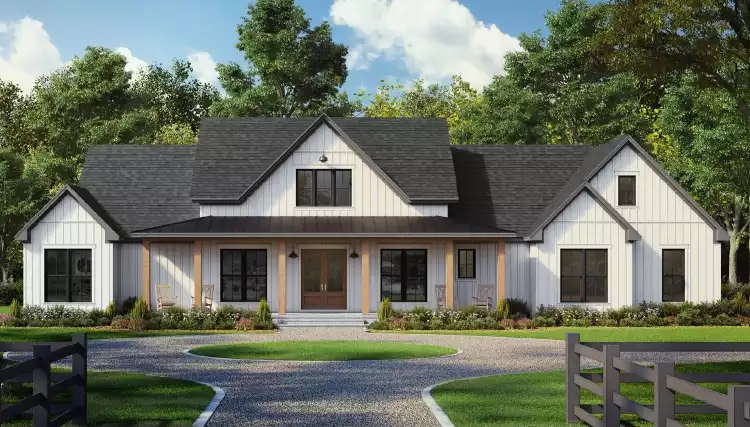
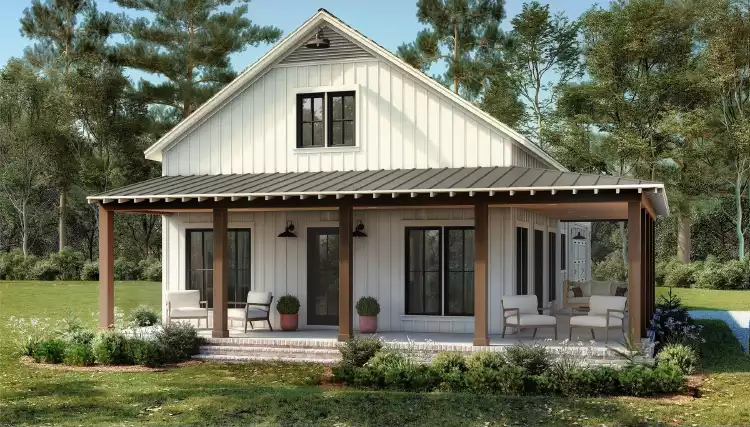
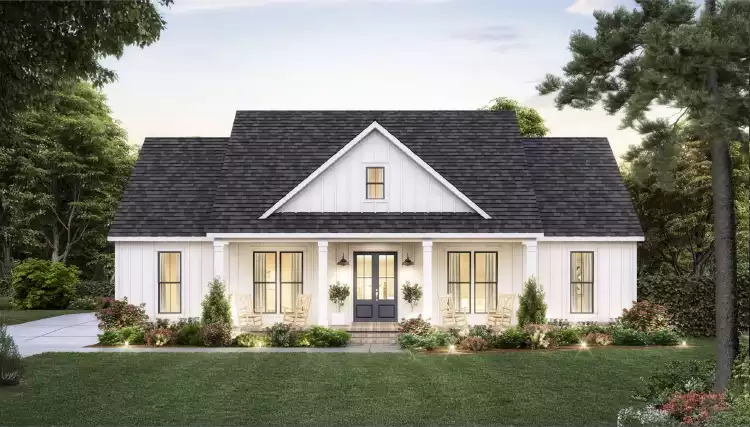
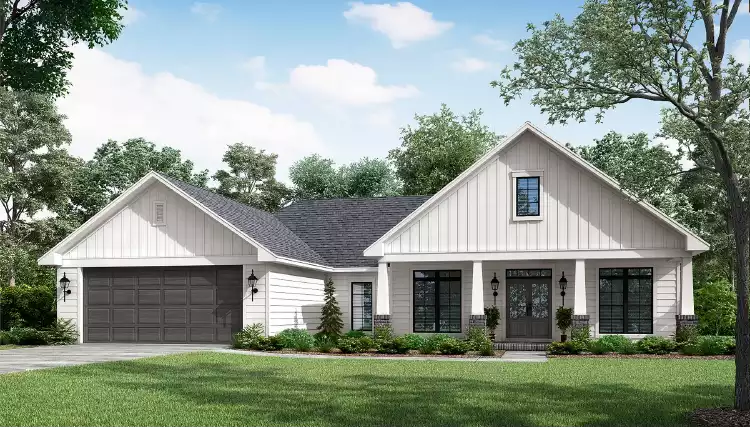
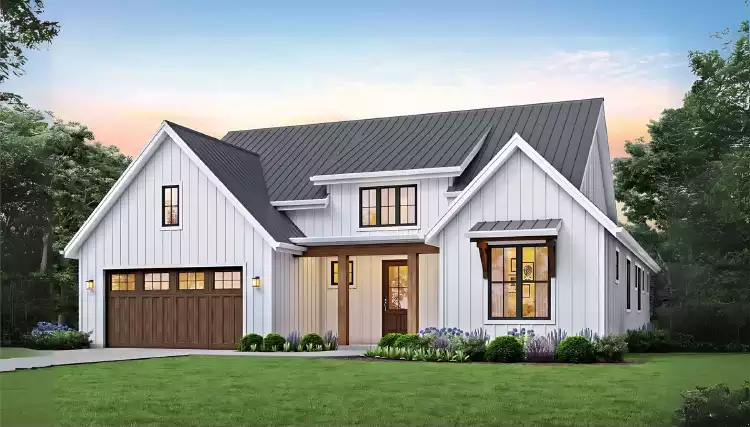
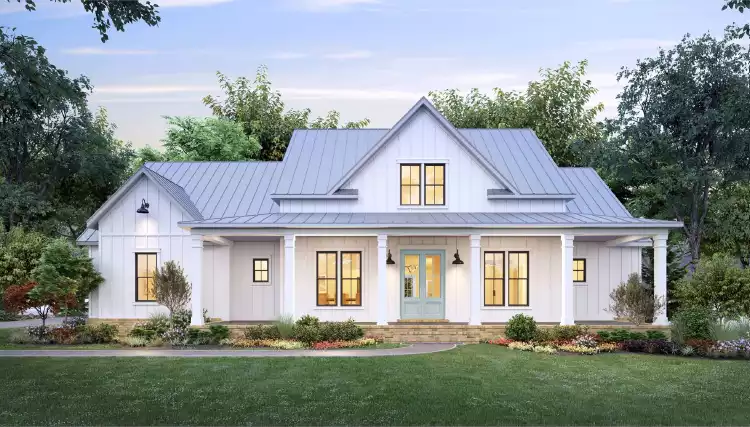
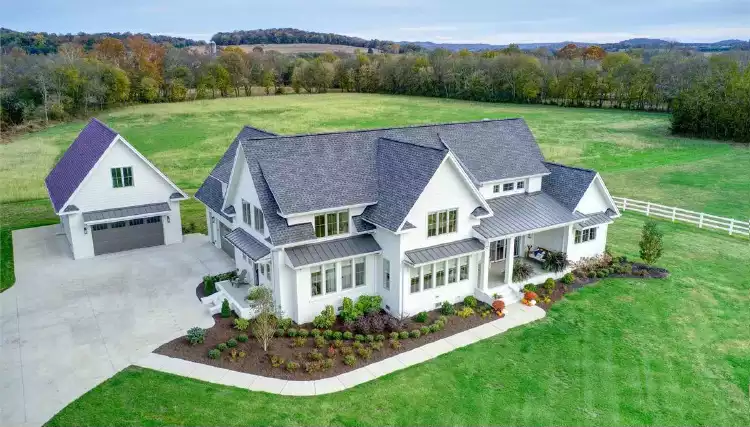
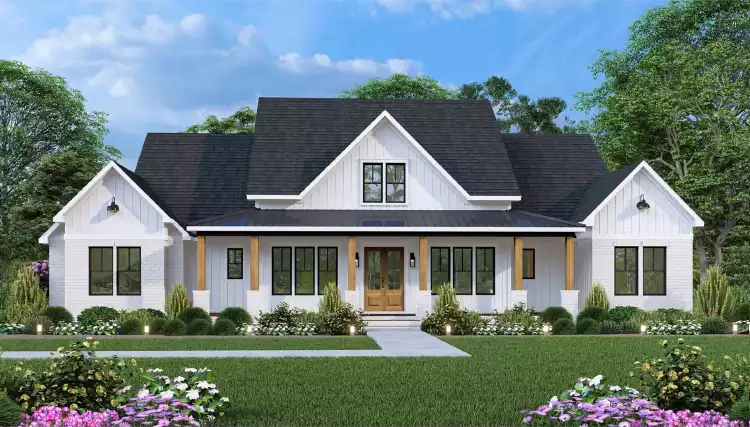
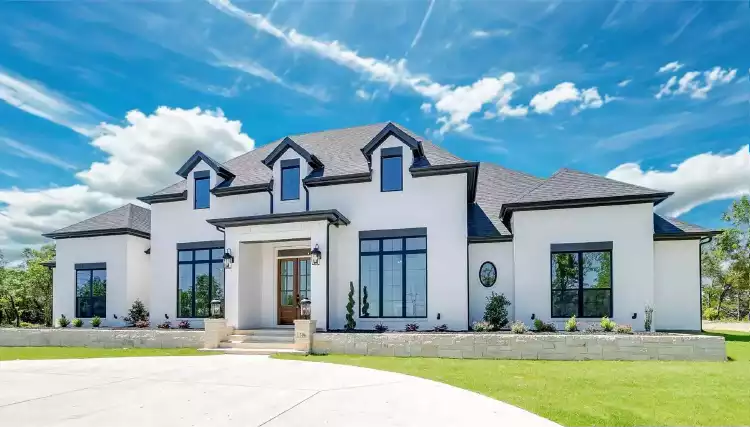
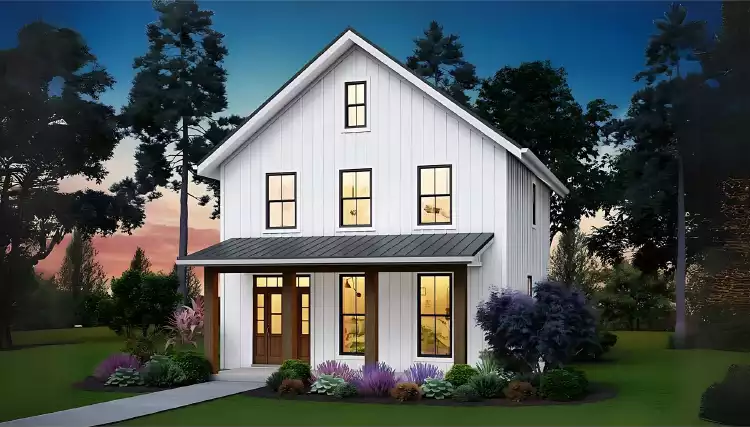
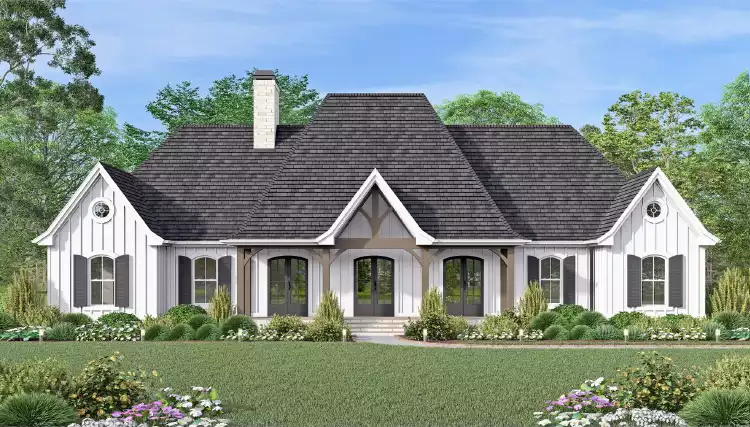
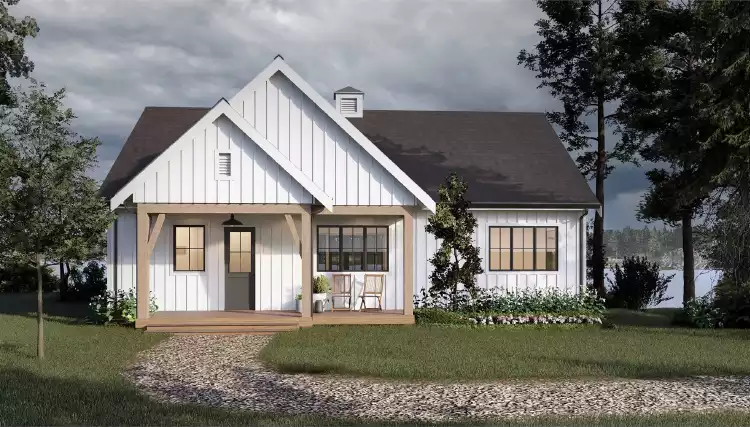
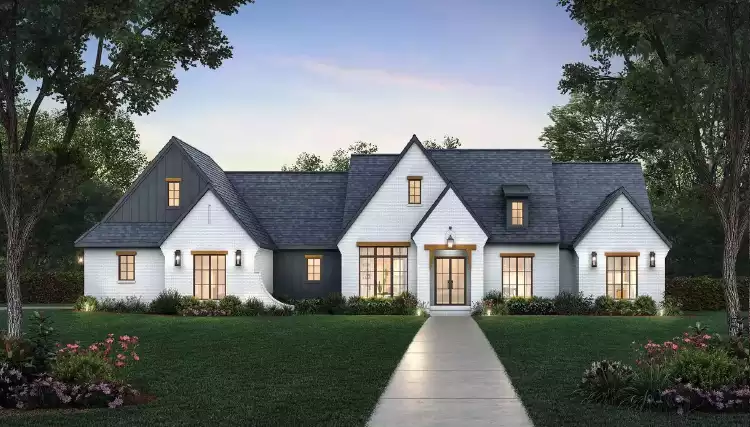
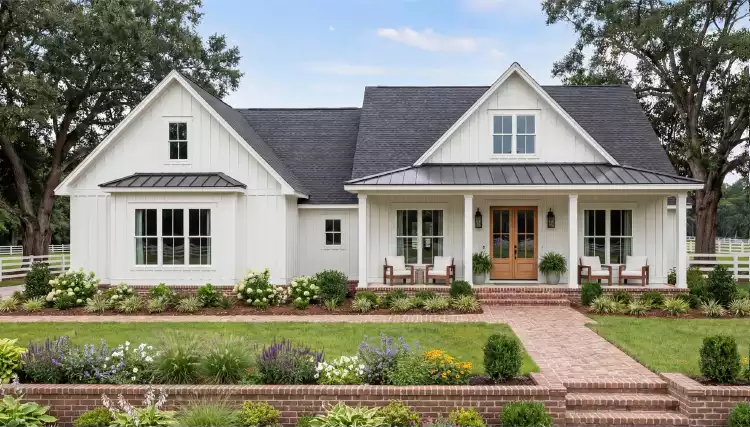
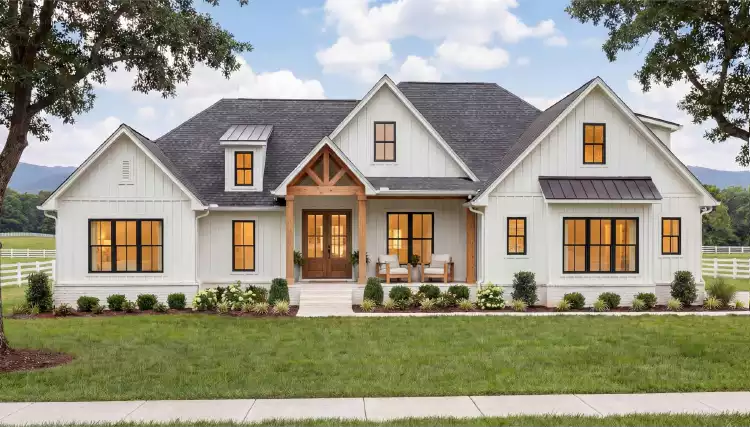
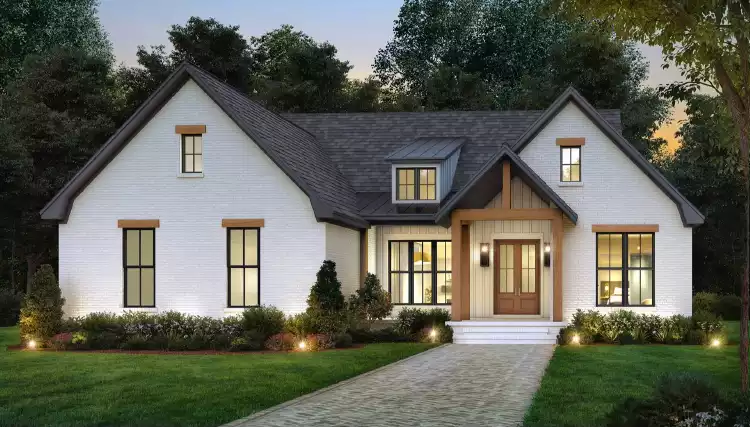
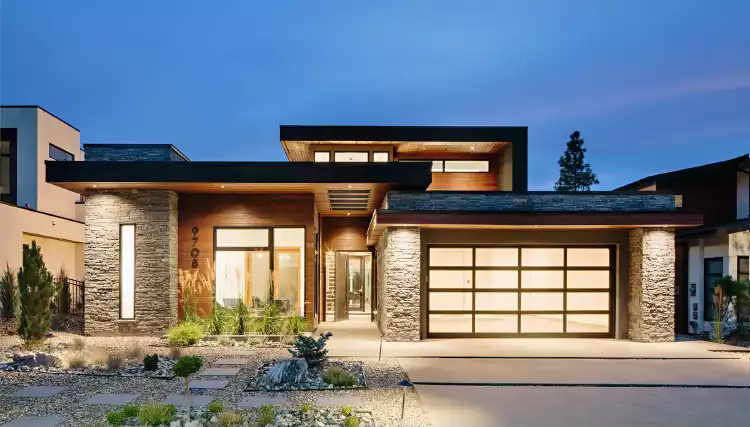
Our collection of house plans Texas homeowners rely on reflects the styles that have defined the state’s residential architecture: Texas Hill Country designs with native limestone and standing-seam metal roofs, Texas ranch house plans with wide covered porches, modern farmhouse plans with open great rooms, and barndominiums built for acreage. You’ll find Texas style house plans with natural exterior materials like cedar, Texas limestone, brick, and stucco, and many include outdoor kitchens, split bedroom layouts, and walk-in pantries. Whether you’re building in a Dallas suburb, a gated Hill Country community, or on rural land outside Houston, our Texas home designs range from under 1,500 square feet to over 7,500 square feet to suit your needs.
Texas does not have a single statewide residential building code. Instead, cities and counties adopt their own codes, typically based on the International Residential Code (IRC). This means building requirements can vary significantly between jurisdictions. Coastal counties within the Texas Department of Insurance’s designated catastrophe area must also meet windstorm certification requirements (WPI-1) under the 2018 IRC/IBC. Always check with your local building department before purchasing plans to confirm which code edition and any local amendments apply to your project. Our experienced team will be happy to help you find an expert who can bring your plans up to code for your area!
A Texas house plan is a home design suited to the Lone Star State's climate, geography, and building traditions. Many of our plans come from architects and designers based in Texas, and every design can be customized to fit your lot, your lifestyle, and your local building codes. The collection includes everything from compact neighborhood ranches and modern farmhouse designs to sprawling Hill Country estates and barndominiums. What they share is an emphasis on durable exterior materials (limestone, brick, stucco, cedar), covered outdoor living, open-concept great rooms, and foundation systems engineered for the state's challenging soil conditions.
Most of Texas sits on expansive clay soil, often called "black gumbo" in North Texas, that swells dramatically when wet and shrinks during drought. This constant movement makes basement construction expensive and prone to water intrusion and structural stress. The majority of Texas homes are built on concrete slab-on-grade foundations, either standard reinforced or post-tensioned with steel cables for added crack resistance. In the Hill Country, where shallow limestone bedrock is common, some builders use drilled pier foundations instead. A geotechnical soil report before construction will determine the right foundation type for your specific lot.
Texas has one of the most diverse residential landscapes in the country. Texas Hill Country style, characterized by native limestone, rustic wood beams, and standing-seam metal roofs, is popular in the Austin, San Antonio, and Fredericksburg areas. Texas farmhouse plans and traditional ranch layouts are built statewide, from the Panhandle to the Gulf Coast. In the Dallas-Fort Worth metroplex, you'll see a mix of French country, European, and transitional designs. Mediterranean and Spanish-influenced homes are common in South Texas.
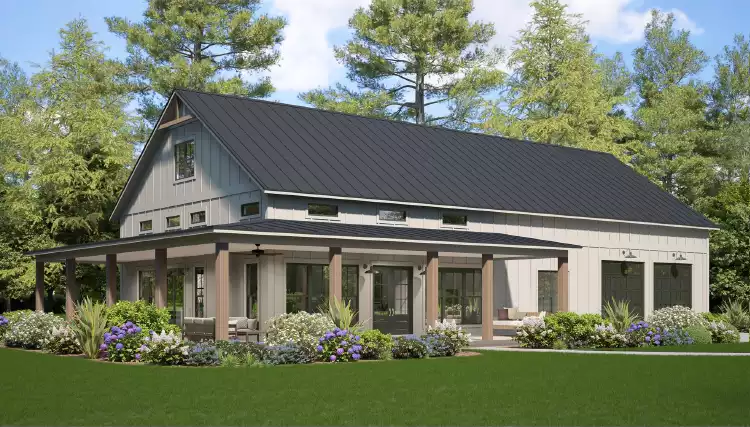
Barndominium plans have also surged in popularity for rural Texas properties, particularly in areas like Bastrop, Manor, and Elgin east of Austin, and throughout the Hill Country. These metal-exterior structures pair the durability and cost efficiency of stick or steel framing with open, customizable interiors, making them ideal for large-acreage builds where traditional construction costs would be prohibitive. Our barndominium plans Texas buyers frequently request include shop space, RV bays, and wraparound porches.
Texas is unique in that it does not enforce a single statewide residential building code. Instead, individual cities and counties adopt and enforce their own codes, most commonly based on the IRC. Major cities like Dallas, Houston, Austin, and San Antonio each maintain their own code editions with local amendments. In unincorporated rural areas, building codes may be minimal or absent entirely. If you're building in a coastal county within the Texas Department of Insurance's designated catastrophe area, your construction must meet windstorm certification standards (WPI-1) under the 2018 IRC/IBC to qualify for windstorm insurance through TWIA. Always verify local requirements with your building department before starting.
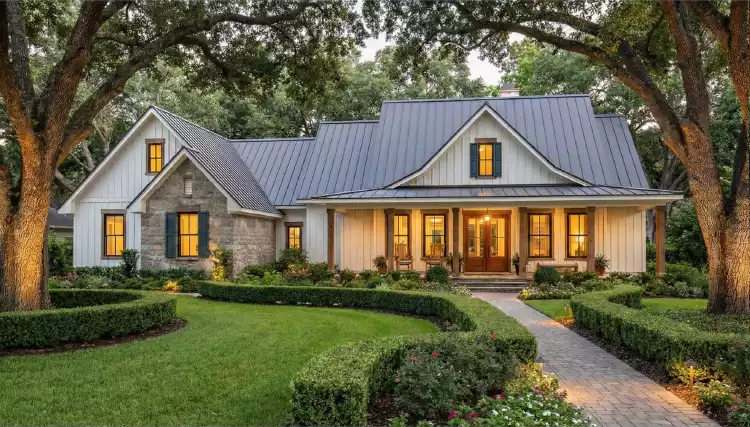
Hill Country style takes its name from the region west of Austin and San Antonio along the Balcones Escarpment, known for its rolling terrain, live oaks, and exposed limestone. Texas Hill Country house plans use locally sourced materials like native limestone on exteriors, rough-hewn cedar beams, and standing-seam metal roofs to create a rustic but refined look. Floor plans typically feature large covered porches, open great rooms with stone fireplaces, and outdoor living areas designed for entertaining. The style has become popular well beyond the Hill Country itself and adapts well to rural and suburban lots throughout the state. Our Texas limestone house plans capture the authentic character of this regional style.
Yes. Our Texas home floor plans are designed with hot summers in mind. Features like deep roof overhangs shade windows from direct sun, covered porches provide outdoor living without full sun exposure, and open floor plans promote air circulation. Most plans are specified for high-efficiency HVAC systems and modern insulation standards. Light-colored roofing options help reflect heat, and many designs include strategic window placement for cross-ventilation. These passive design elements work alongside your mechanical systems to keep cooling costs manageable during Texas summers.
Yes, and most buyers do. Every plan in our collection can become a custom home plan tailored to your needs. Common Texas modifications include expanding the covered porch or adding an outdoor kitchen, adding a casita or guest suite, reconfiguring the primary bathroom, upgrading the garage for workshop space, or adjusting the exterior materials to match HOA requirements (many gated communities require a minimum percentage of stone or masonry on the front facade). Click "Modify This Plan" on any plan page for a free estimate on your custom home plan. Your builder or a local engineer should also review the foundation specifications against your geotechnical survey.