

Search By Square Foot
• Up to 1000 Sq Ft
• 1001 - 1500 Sq Ft
• 1501 - 2000 Sq Ft
• 2001 - 2500 Sq Ft
• 2501 - 3000 Sq Ft
• 3001 - 3500 Sq Ft
• 3501 - 4000 Sq Ft
• 4001 - 4500 Sq Ft
• 4501 - 5000 Sq Ft
• 5001 Sq Ft And Up
Search By Square Foot
• Up to 1000 Sq Ft
• 1001 - 1500 Sq Ft
• 1501 - 2000 Sq Ft
• 2001 - 2500 Sq Ft
• 2501 - 3000 Sq Ft
• 3001 - 3500 Sq Ft
• 3501 - 4000 Sq Ft
• 4001 - 4500 Sq Ft
• 4501 - 5000 Sq Ft
• 5001 Sq Ft And Up
.png)
.png)
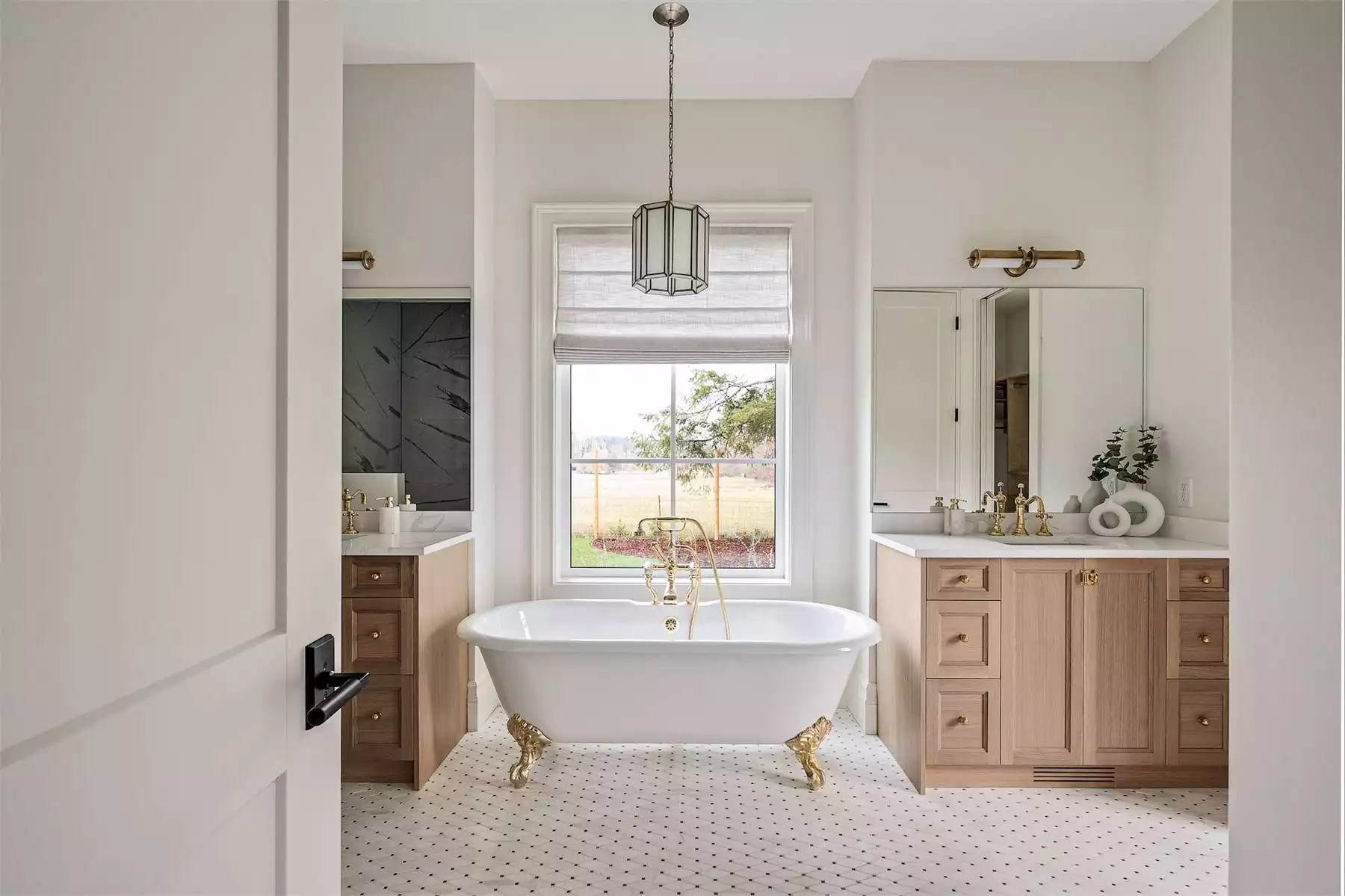 A great tub is worth the investment, so make sure to explore the options when planning your bathroom. Far too often, this feature is overlooked on a blueprint and the end product is not enjoyable or even comfortable for the homeowner. It is important to discuss bathtub basics, such as length, water capacity, and accessories, as soon as possible with a contractor. Why? Because the bathtub is one of the very first things installed in your new home!
Function
Comfort is particularly important when choosing a bathtub. Designers have introduced every conceivable size, shape, and material into our homes by now. The best way to decide is to experience them for yourself. Go to store showrooms and search for something that feels right to you.
Bathtub Basics
Whether you are a petite person wanting a shallow tub with built-in armrests, or a tall person who may need an extra wide and totally submersible contour, the size of your tub is important. You may even want a tub that will fit two. Think about ergonomics in any case. A standard bathtub is 14 to 17 inches in depth. A European-style tub is 18 inches deep and Japanese- and Greek-style tubs are 22 or more inches in depth. If you're shopping for a spa or soaking tub, you'll find plenty that are around 22 inches deep as well.
Tub Styles
There are numerous makes and models of bathtub styles including built-in, freestanding, soaking, and whirlpool. Here's how they stack up!
Alcove
Alcove tubs have only frontal exposure. It is the most common design in America and is quite basic. Alcoves come in limited finishes and are shallower than other tubs. They are also usually paired with a shower, creating one combined bathing area. If you decide on this style, be sure to think about drainage, shower curtains/doors, and the surrounding area around the alcove. Waterproof materials like ceramic tile and high gloss paint are good choices for surrounding surfaces.
Tub and Shower
Generally speaking, the walls around the bathtub will be lined with ceramic tile to enclose the area in tub and shower designs. This style also accomplishes two needs in one space to save room. Even so, this arrangement may be difficult to clean because of the grout lines. If you want a simpler solution, try a manufactured tub and shower combination instead, such as a sectional acrylic over fiberglass unit. Over time, color will fade with this material, but when installed properly, it should never leak.
Floor Mounted Sunken
This style can be dangerous for some users due to a high step that can be difficult to cross. For this reason, most floor-mounted bathtubs are deck-mounted in a separate frame than the shower. This requires extra carpentry and will increase installation costs. Most are integrally manufactured with faucet ledges for easier access. Although great for soaking and cleaning, this style is costly to repair due to the hidden plumbing.
Corner
Corner bathtubs come in custom and standard drop-in formats and are fitted into an angled deck corner. They are a good way to set off a room, but bear in mind that most models are not suitable combining with overhead showers.
Garden
With its older historical roots, this large, deep bathtub is used only for soaking. It has no capabilities for a shower or whirlpool jets. Garden tubs can be built-in or freestanding and are available in a range of materials.
Roman
With no integrated showers or jets, this deeper bathtub is similar to the garden tub. The filler spout rises off the deck rather than through the walls of the tub. That's why you'll find special Roman faucets when you shop for plumbing!
Japanese (Ofuro)
Deep enough to immerse your body when sitting, these tubs are often made of polypropylene reinforced with fiberglass nowadays. Traditionally, they were made of wood or metal. They are perfect for those with a clear design vision but may look out of place if just dropped into a regular American bathroom.
Freestanding
In the past, roll-top and cast-iron tubs were standard. Now this classic remains in the same form—sloped back and straight front with ball and claw or pedestal legs. Materials include cast iron, porcelain and steel, and acrylic in a variety of colors. Freestanding tubs are available in a range of sizes and lengths from 4 to 6 feet. It is important to remember that the pipes are exposed in this style, but you can find compatible shower plumbing, if you'd like to save space!
Whirlpool
Looking for an in-home spa experience? Get a whirlpool tub! Whirlpools are offered in alcove and drop-in models and use piping, electric pumps, and water jets circulate throughout for an even message. Designs vary in size, style, color, and shape. They are usually comprised of fiberglass/acrylic or cast iron and are very durable, but you will need to regularly clean them to keep the jets clear. It is good to use showrooms to test the comfort level of these bathtubs before making the big purchase.
Walk-In
If accessibility is a concern, consider a walk-in bathtub. Rather than stepping high over the edge of the tub to get in, these models feature a swinging door that allows you to step inside across a much lower threshold. The door is watertight when closed and you can comfortably soak up to your shoulders. Walk-in tubs also feature a built-in seat and anti-slip surfaces for safety, but that's not all—also look for grab bars, massage jets, heated interiors, and other features that increase comfort. Believe it or not, there are even compatible shower options, too!
Bathtub Materials
As you know, tubs come in a variety of sizes, colors, and styles. Your decision regarding a bathtub material should be based on your needs, desires, and budget. Porcelain on steel, acrylic, fiberglass/gel coat, composite, cast iron, cultured marble, and wood are commonly used by manufacturers today.
Porcelain on Steel (POS)
This is possibly the most practical and affordable bathtub material. Porcelain on steel tubs consist of a thin stamped steel shell that is coated with heat-fused porcelain enamel. The pros of POS are that it is resistant to acid, corrosion, and abrasion. It is also flame proof and colorfast. The main drawback is that if the surface area is chipped or cracked, it will rust.
Acrylic
Sheets of acrylic and reinforced fiberglass are vacuum molded to create this material. Acrylic tubs are quite durable, economical, lightweight, and even have a natural luster. They may be easy to clean, but acrylic is easy to scratch and susceptible to discoloration over time. Not all acrylic is created equal, though. Some grades are durable enough to withstand a hammer!
Fiberglass/Gel (FRP)
This is generally the least expensive of bathtub materials. Fiberglass can be molded into any shape and the tubs are lightweight and easy to install. A pigmented polyester resin spray that is applied to a mold forms the gelcoat surface. Thick layers of fiberglass and foam insulation line the unit. Although it looks similar to acrylic, this material is much thinner and much less durable. The finish will show wear after 10 to 15 years and will scratch and/or fade. On the flipside, it is easy to repair.
Cast Iron
Because enamel-coated cast iron requires heavy duty manufacturing and produces the most durable results in the end, you can expect these tubs to come with a higher price tag. The casting method pours molten iron into a specific mold for shape. Due to the thick material, the surface is resistant to chemicals, chipping, scratching, and denting. These tubs often come with a lifetime warranty.
Cultured Marble
This marble is man-made from combining crushed limestone and polyester resin. It has a gel coat on top for a consistent surface finish. Because of its unique manufacturing process, this material is available in an array of colors, patterns, and veining. Cultured marble is another durable tub solution.
Wood
Wood tubs add incredible ambiance, but this material just isn't a good long-term investment for a bathtub. While some species can last quite a while with proper care, wood exposed to water will have a shorter lifespan than waterproof materials. Eventually, a wood bathtub will warp, crack, and rot, so you will need to replace it. Keep in mind that many areas of the US do not permit wooden tubs in local building codes, so check before you even consider it!
Mosaic/Ceramic
Completely customized, this kind of tub will be lined with ceramic or mosaic tile. Inexperienced installation could result in a hazardous and unsealed bathtub. Therefore, be sure to find an experienced professional for this type of work.
If this seems like a lot of information, it's because there really is a great wide world of bathtubs out there! Make sure to schedule time to visit a variety of showrooms so you can get a feel for the options. Ask around for recommendations and don't hesitate to try them on for size before you buy!


