Why Build Green?
A decade ago building an energy-efficient home was a much bigger investment than it is now. Today's homeowners are utilizing the many, affordable building products that go into an authentic energy-efficient new home. Drastic changes in the economy make it more alluring to have a home that reduces operating and energy costs significantly. And that doesn't mean you have to sacrifice amenities like gorgeous master baths, outdoor living spaces or professional kitchens. Helping to make building a "green" home easier are architects and designers, builders and manufacturers, who support green building through their products and services.
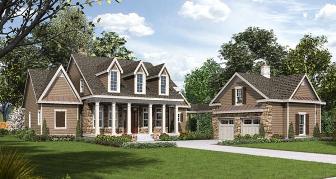
This ENERGY STAR® house plan features a gourmet kitchen with a large island and plenty of cabinetry. There's a cozy breakfast nook that has access to the extended outdoor living space. Pamper yourself in this master suite with spa-like bath. And there's plenty of room to grow with the optional bonus space over the garage.
Here are some common questions people ask when deciding whether or not to purchase or build a green home:
Q: How much is it going to cost to heat and cool a green home?
A: Residential cooling and heating alone make up 20% of the United States' yearly energy use. Throw in household lighting, appliances and other electronic equipment, and homes are clearly a major source of energy consumption. Green homes use 40% less energy than comparable standard homes.
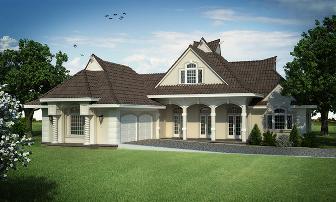
This energy-efficient home design features all the latest home building technology to create a 'truly' green home that will save you money without sacrificing amenities.
Q: Is building a green home really worth it?
A: The net cost of owning a green home is comparable to — or even cheaper than — owning a standard home. If upfront costs are higher, it is often because many architects, homebuilders, engineers, plumbers and other industry professionals just don't have the knowledge and experience to cost-effectively plan, design and build a green home. Finding a professional familiar with green-building techniques will save you money and ensure you're getting the best-quality work possible.
Month to month, people who live in green homes save money by consuming 40% less energy and 50% less water than standard homes. Over the years, that adds up to big savings. So yes, it is definitely worth it, not only to you and your family, but the environment.
Q: But what does a "Green" home look like?
A: Your new dream home is likely to be smaller but designed to look bigger with the right floor plan, window locations and interior design accents. Flexible spaces make it easier to do more with less space. For example a 15' by 30' family room could easily be designed to convert to a 24-person dining room during the holiday season.
Q: Is it true that there are several tax breaks, rebates and incentives available for using energy-efficient products?
A: That's correct. The federal government offers energy tax credits on qualifying products [you'll need to check what the maximum deductions are each tax year] as well as additional credits for building an energy-efficient home. Most states offer their own tax and utility incentives. And there are plenty of product rebates available for qualifying energy efficient products.
Keep in mind it's going to be a lot easier to maintain an energy-efficient home, because it's smaller and much more durable than most standard homes because of its high-quality building materials and construction processes, requiring fewer repairs.
The best benefits of designing and building a green home are lower operating costs, a healthier interior environment and increased level of comfort for daily living in your home. You'll see these benefits directly relate to an increase in your home's market value as well.
Design Tip
Since construction waste is an inherent part of home building, remodels or additions it's important to recycle to minimize the amount of trash that goes into the landfill. Wood, metal and cardboard can all be recycled and many appliances and fixtures can either be resold or recycled too. Choose a contactor who will recycle and insist that there be designated bins on the jobsite.